Last Updated: August 2026
Key Takeaways: Lisbon Food Tour Neighborhoods in 2026
- Lisbon's distinct neighborhoods each offer unique culinary identities, from Alfama's traditional tascas to Mouraria's multicultural kitchens.
- Petiscos, the Portuguese tradition of small shared plates, anchor the social dining culture found in neighborhood taverns across the city.
- Culinary Backstreets leads small group tours through these neighborhoods, connecting travelers with local vendors and family-run establishments.
- Markets like Mercado da Ribeira and the twice-weekly Feira da Ladra flea market reveal how Lisboetas source ingredients and gather socially.
- Graça and Campo de Ourique remain residential areas where historic tascas still serve daily specials to loyal neighborhood regulars.
What Makes Lisbon's Neighborhoods Ideal for Food Tours?
Lisbon's culinary identity spreads across hillside neighborhoods and waterfront districts, each shaped by centuries of local tradition and waves of migration. The Portuguese capital's steep cobblestone streets wind through areas where fishermen's taverns sit alongside bakeries that have supplied the same neighborhood for generations.
Unlike cities where dining concentrates in a central zone, Lisbon rewards those who venture into residential quarters. Graça's panoramic overlooks give way to family kitchens serving arroz de pato. Mouraria's multicultural fabric weaves Cape Verdean cachupa into streets once dominated by traditional tascas.
The city's food scene reflects Portugal's maritime history. Colonial connections brought spices from Goa, ingredients from Brazil, and flavors from Africa. These influences layer onto a foundation of Atlantic seafood, Alentejo pork, and pastries perfected in convent kitchens.
Which Lisbon Neighborhoods Have the Best Food Tours?
Alfama: The Oldest Neighborhood with Deep-Rooted Culinary Traditions
Alfama survived the 1755 earthquake that leveled much of Lisbon, preserving medieval streets where tascas have operated for decades. The neighborhood's narrow alleys open onto small squares where residents still hang laundry above doorways and greet shopkeepers by name.
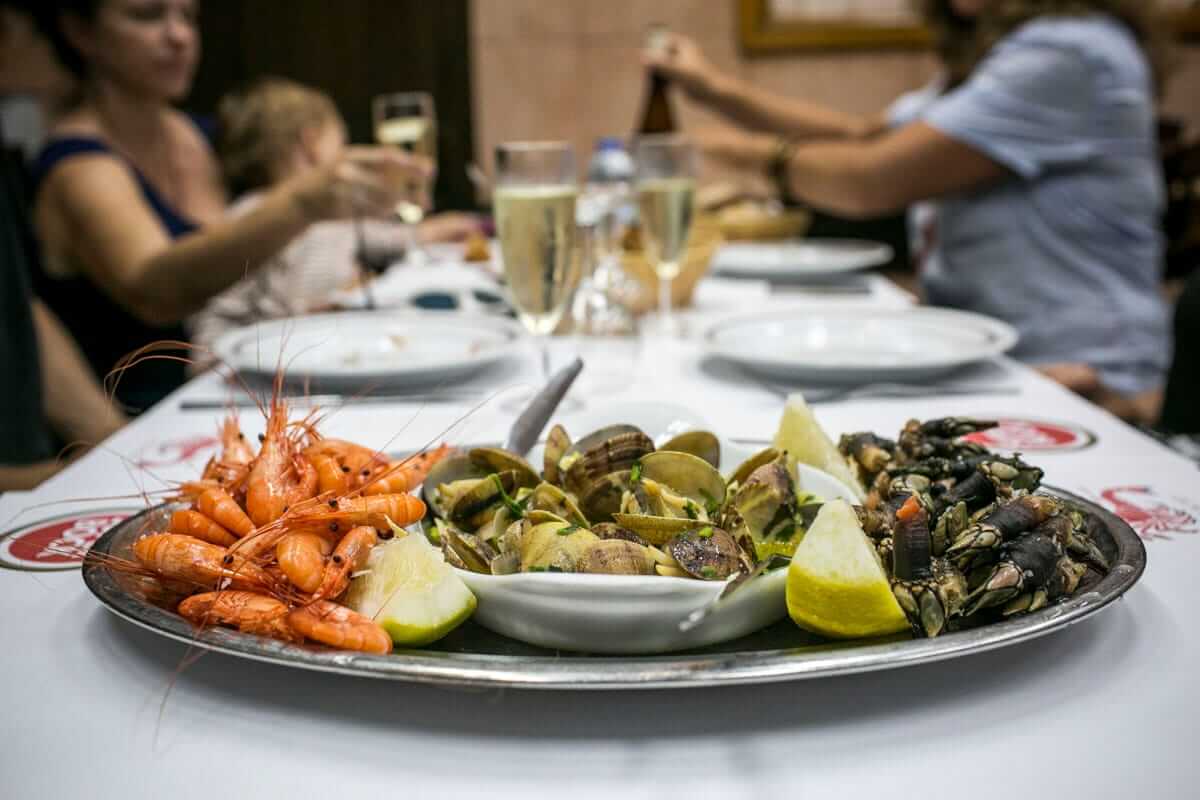
Fish and seafood anchor the neighborhood's culinary identity. Cervejarias along the waterfront edge serve clams in white wine with garlic and coriander. The salt air drifts up through streets where grilled sardines appear on nearly every menu during summer months.
Fado houses in Alfama combine dinner with live performances of Portugal's melancholic musical tradition. The restaurants here serve comforting plates of bacalhau and carne de porco while singers invoke saudade, that distinctly Portuguese longing for what has been lost.
Mouraria: A Multicultural Food Destination in Lisbon's Historic Center
Mouraria once housed Lisbon's Moorish population after the Christian reconquest, and the neighborhood has remained a landing place for newcomers ever since. Today, Asian supermarkets stand beside African restaurants and traditional Portuguese tascas share streets with Goan curry houses.
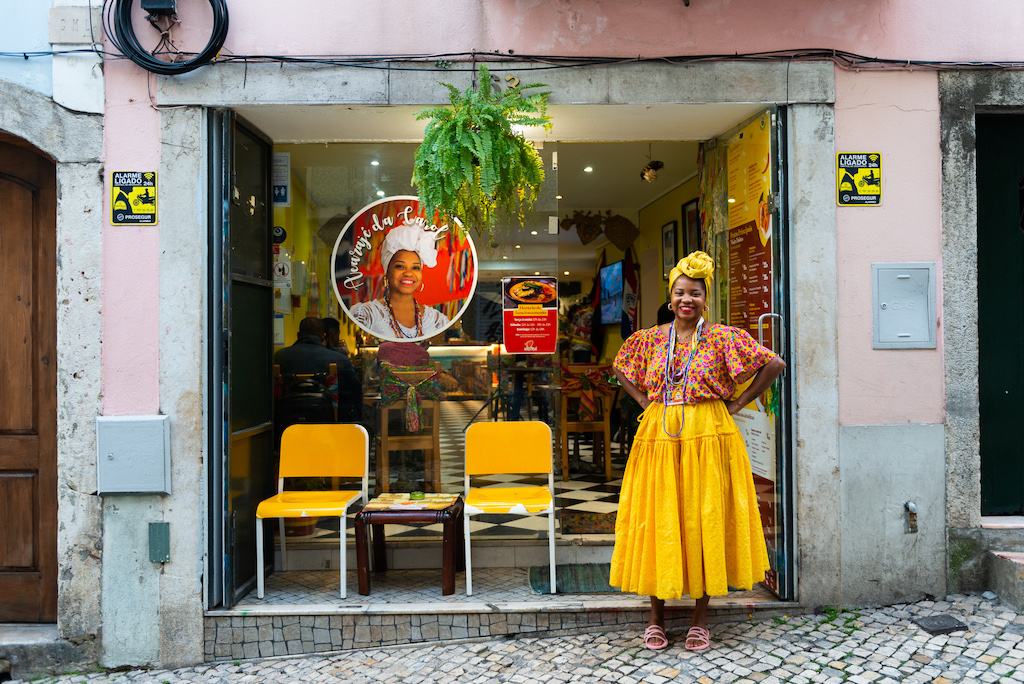
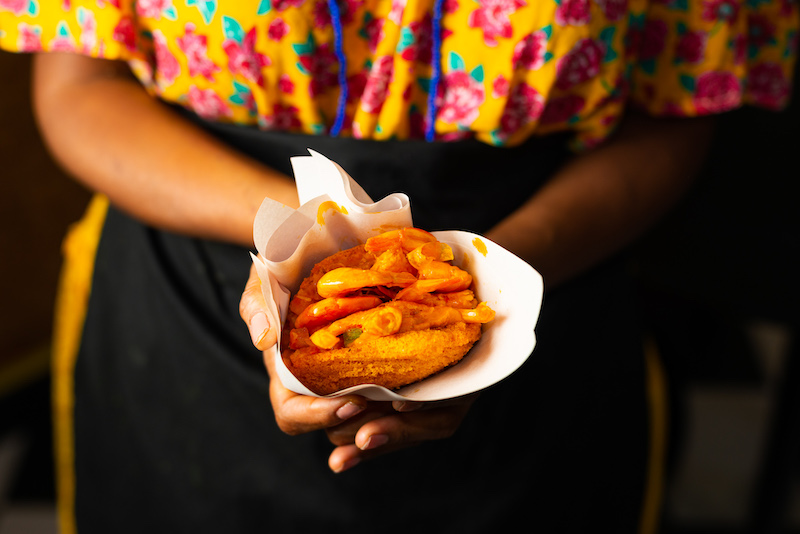
The neighborhood's diversity makes it a focal point for Lisbon food tours that explore colonial culinary connections. Cape Verdean cachupa, Mozambican chamuças, and Brazilian acarajé represent the cuisines Portugal's former empire brought back to the capital.
Culinary Backstreets guides visitors through Mouraria's winding streets, stopping at family-run spots where recipes travel across generations. The neighborhood's authenticity lies in its continued function as a residential area where locals shop, eat, and gather.
Graça: Traditional Tascas and Panoramic Views
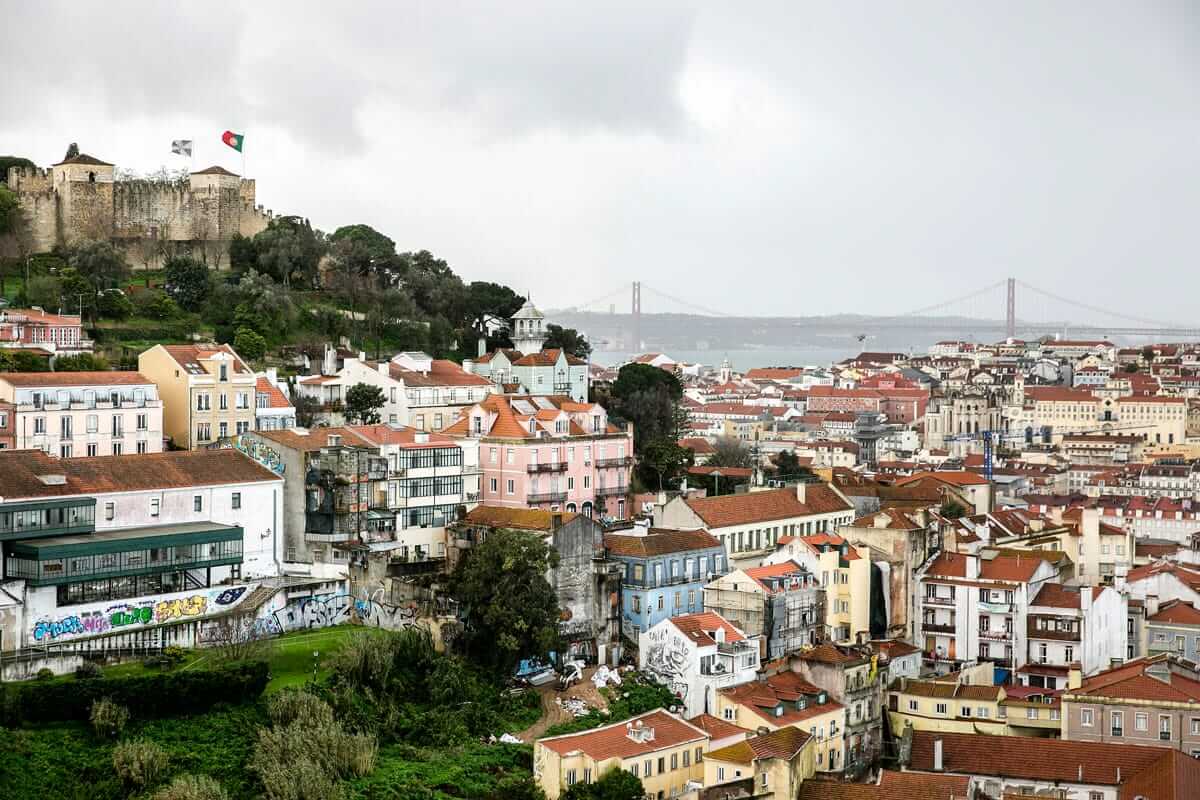
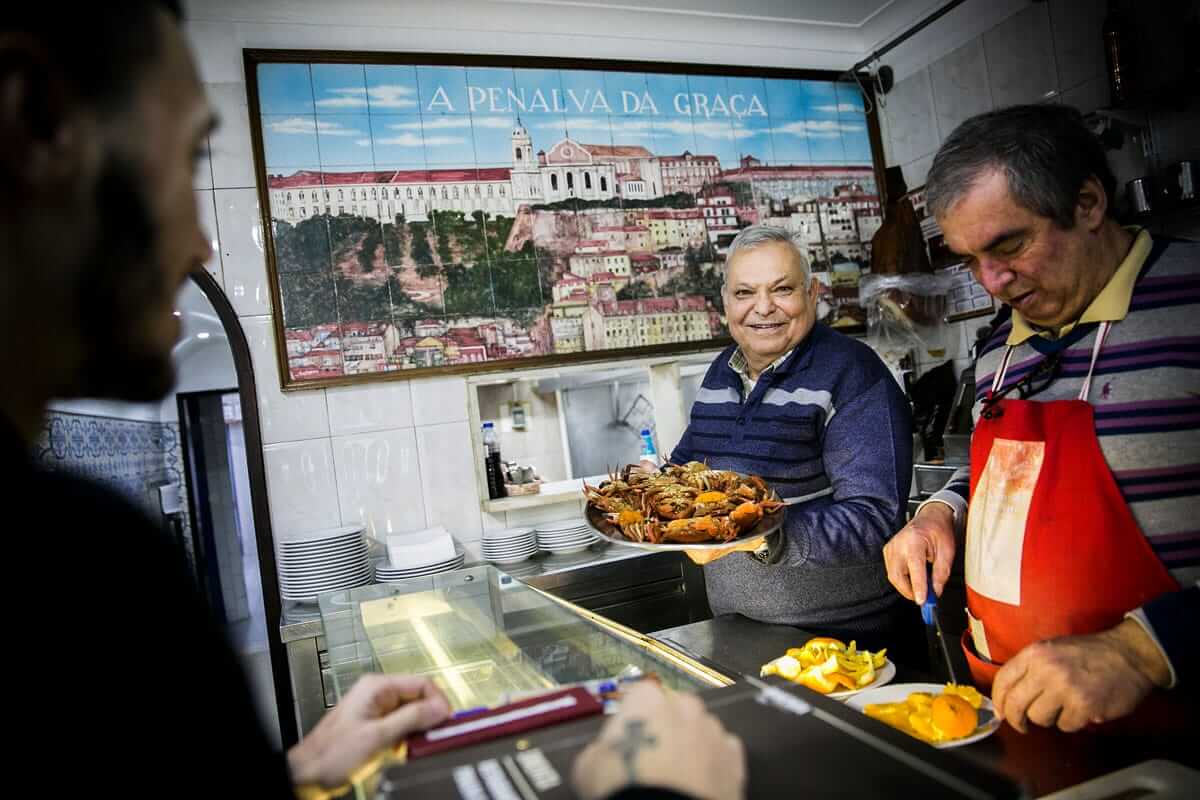
Graça sits high above central Lisbon, offering views that stretch across terracotta rooftops to the Tagus River and the Cristo Rei statue on the southern bank. The neighborhood's elevation kept it separate from tourist circuits for years, allowing traditional dining spots to serve their regular clientele undisturbed.
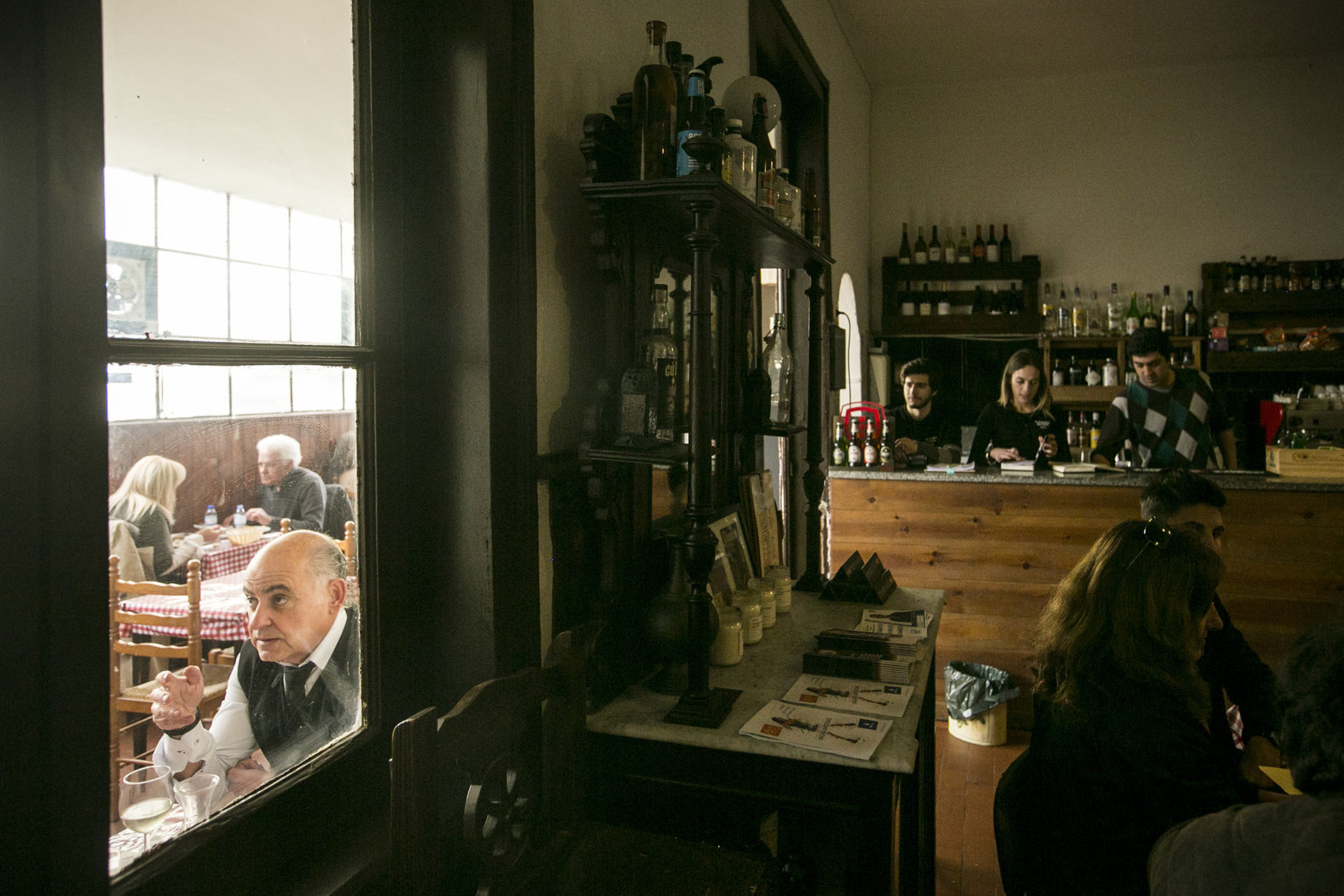
Tascas in Graça still follow the classic format: a small counter, a few tables, a refrigerated case displaying the day's desserts, and a chalkboard listing daily specials. Dishes rotate with the seasons and the market's offerings.
The twice-weekly Feira da Ladra flea market brings crowds to the area around the Panteão Nacional. Food vendors set up alongside sellers of vintage records and old tiles, creating opportunities to taste petiscos while browsing antiques.
Baixa and Chiado: Central Lisbon's Culinary Heritage
The grid-pattern streets of Baixa rose from the rubble of the 1755 earthquake, rebuilt under the Marquês de Pombal's rationalist vision. The neighborhood's grand squares and tiled facades house some of Lisbon's oldest remaining food establishments.
A Ginjinha, a walk-up bar operating since 1840, serves the sour cherry liqueur that has become synonymous with Lisbon. The Espinheira family has run the establishment for five generations, pouring shots to be sipped slowly in the doorway.
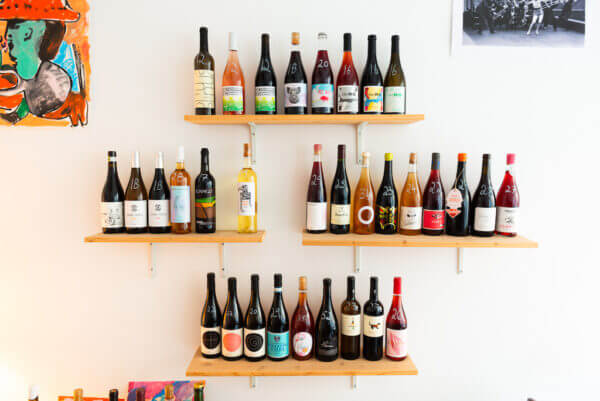
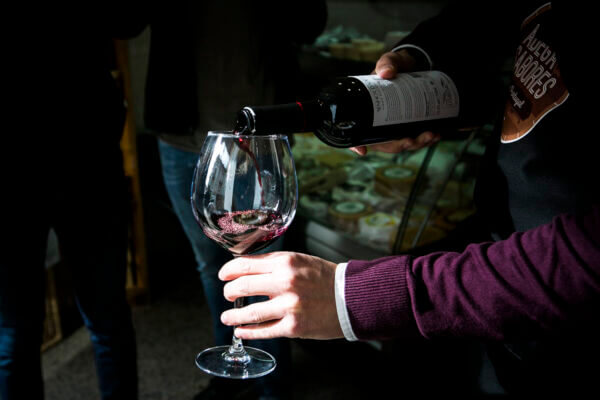
Chiado's literary cafés once hosted Fernando Pessoa and other Portuguese writers. Today, the neighborhood balances historic bakeries with newer wine bars where sommelier-guided tastings showcase bottles from Alentejo, Douro, and Dão.
What Are Petiscos and Where to Find Them in Lisbon?
Petiscos function as Portugal's answer to Spanish tapas, though Lisboetas prefer their own term. These small plates anchor the social dining culture found in tascas across the city's neighborhoods. Unlike formal dining, petiscos encourage sharing, conversation, and extended time at the table.
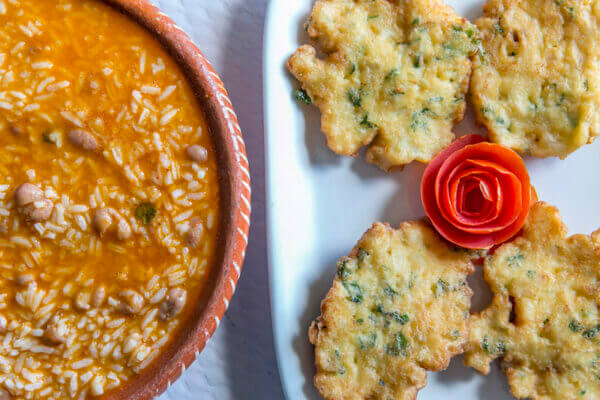
Traditional petiscos include pica-pau (cubed beef in garlic and pickles), peixinhos da horta (tempura green beans that resemble small fried fish), and pataniscas (cod fritters). Each neighborhood tasca offers its own specialties based on the owner's regional origins and family recipes.
The ritual of petiscos begins with a cold beer or a glass of vinho verde, accompanied by tremoços (lupini beans) or azeitonas (olives). From there, dishes arrive as they're ready, creating a meal that unfolds gradually over hours.
What Are Lisbon's Notable Food Markets?
Mercado da Ribeira and Time Out Market
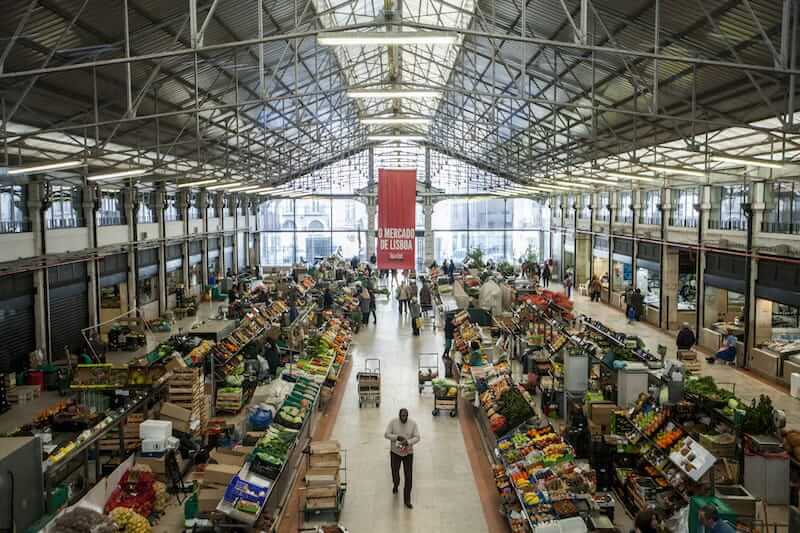
Mercado da Ribeira has anchored Cais do Sodré since 1892, when the iron-and-glass structure replaced an earlier fish market. The morning hours still belong to traditional vendors selling produce, fish, and flowers to restaurant buyers and local residents.
The Time Out Market occupies one half of the building, assembling stalls from notable Lisbon chefs and restaurants under one roof. The format allows visitors to sample dishes from multiple kitchens in a single sitting.
Mercado do Livramento in Setúbal
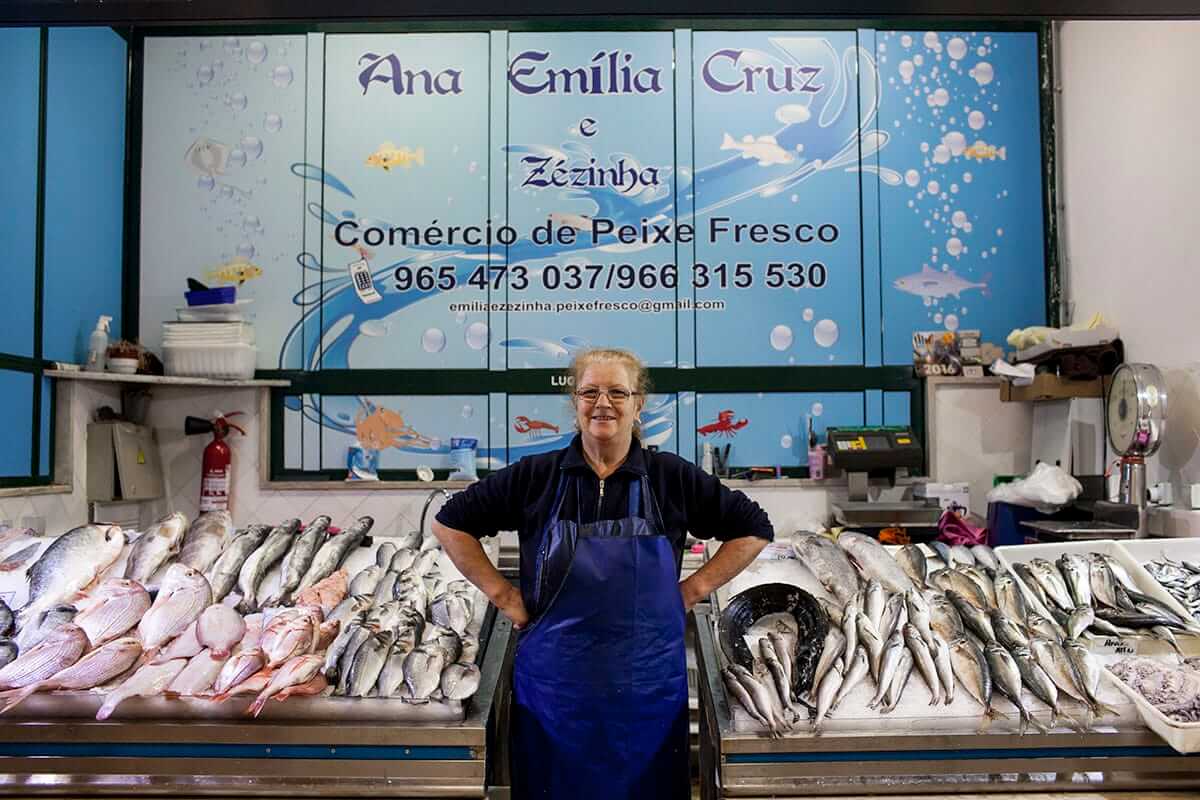
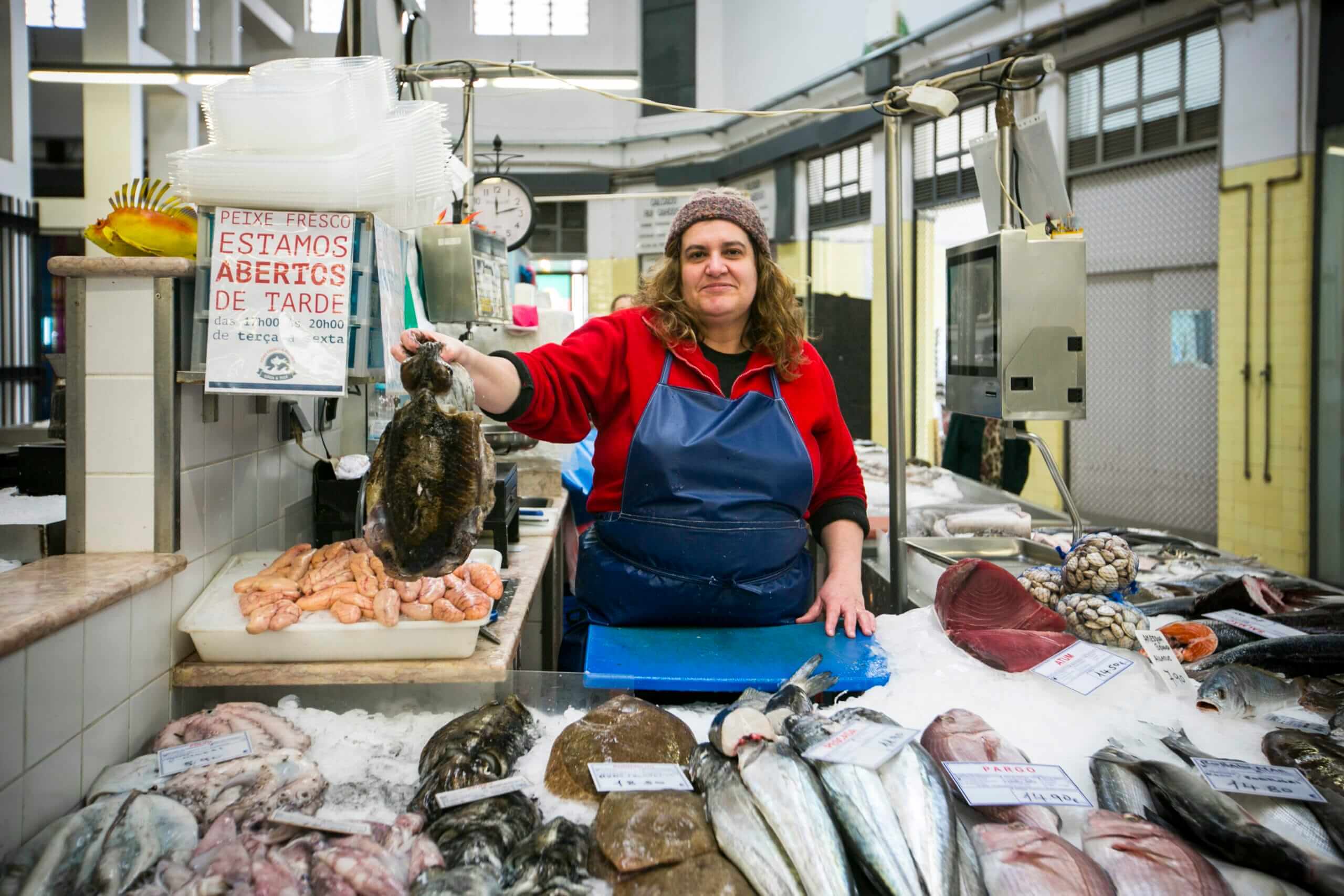
An hour south of Lisbon, Setúbal's Mercado do Livramento showcases Portugal's relationship with the sea. Fishmongers display the morning's catch while vendors sell queijo de azeitão, the soft sheep's cheese produced in the nearby Arrábida region.
The market provides a contrast to Lisbon's increasingly visitor-oriented food halls. Here, the rhythms follow local needs rather than tourist schedules, with the busiest activity occurring early in the morning.
Mercado de Campo de Ourique
Campo de Ourique remains a residential neighborhood where long-standing residents share streets with younger families drawn by the area's village-within-a-city character. The neighborhood market reflects this demographic, with traditional stalls alongside wine bars and coffee roasters.
Food tours exploring Lisbon's neighborhoods often include market visits that reveal how locals source daily ingredients. The interactions between vendors and regular customers demonstrate the social fabric that holds neighborhood life together.
How Do Lisbon Food Tours Support Local Communities?
Culinary Backstreets operates on a model of honest tourism, declining free meals and commissions from the establishments visited. This approach allows tour leaders to recommend spots based solely on quality and authenticity rather than financial arrangements.
Small group sizes of seven guests or fewer enable access to family-run establishments that cannot accommodate larger parties. The intimate format creates space for genuine conversation between visitors and the vendors, cooks, and owners who make each neighborhood distinctive.
Tour leaders come from backgrounds in food journalism, professional cooking, and longtime neighborhood residence. Their relationships with local businesses develop over years, creating trust that opens doors typically closed to casual visitors.
What Should Solo Travelers and Couples Know About Lisbon Food Tours?
Solo travelers find Lisbon's food tour format particularly welcoming. The small group dynamic creates natural opportunities for conversation without the pressure of large tour energy. Many guests describe the social warmth of these experiences as unexpected highlights of their trips.
Couples planning food-focused visits benefit from tours scheduled early in their stay. The knowledge gained about neighborhoods, ordering customs, and recommended establishments reshapes how the remaining days unfold.
Culinary Backstreets offers four distinct Lisbon walks, each exploring different neighborhoods and themes. The seafood-focused tour traces the port district's fishing heritage. The post-colonial feast examines how migration patterns shaped the city's diverse kitchens.
What Traditional Lisbon Dishes Should Food Travelers Try?
Bacalhau: Portugal's National Fish
Salted cod arrived in Portugal centuries ago aboard ships returning from North Atlantic fishing grounds. The preservation technique allowed fish to travel great distances before refrigeration existed. Today, Portuguese kitchens claim over 365 recipes for preparing bacalhau.
Bacalhau à Brás combines shredded cod with fried potato strips, onions, and scrambled eggs. The dish originated in Lisbon's Bairro Alto neighborhood and remains a staple on tasca menus throughout the city.
Pastéis de Nata: Lisbon's Iconic Custard Tart
The Jerónimos Monastery in Belém first produced these custard tarts in the early 19th century. Nuns used egg whites to starch religious garments, leaving yolks available for pastry making. The combination of flaky pastry and barely-set custard has since spread worldwide.
Only tarts made in Belém carry the name pastéis de Belém. Elsewhere in Lisbon, bakeries sell pastéis de nata using recipes that vary by establishment. The tarts taste best warm from the oven, dusted with cinnamon and powdered sugar.
Caldo Verde and Bifana: Comfort Food Staples
Caldo verde, the green soup of shredded collard greens, potatoes, and chouriço, comes from northern Portugal's Minho region. The dish appears at festivals, family gatherings, and casual tasca meals throughout Lisbon.
Bifana sandwiches fill crusty rolls with thin-sliced pork marinated in garlic and white wine. The sandwich serves as late-night fuel after fado performances or as quick workday lunches grabbed standing at counter.
How Do Lisbon's Post-Colonial Kitchens Influence Food Tours?
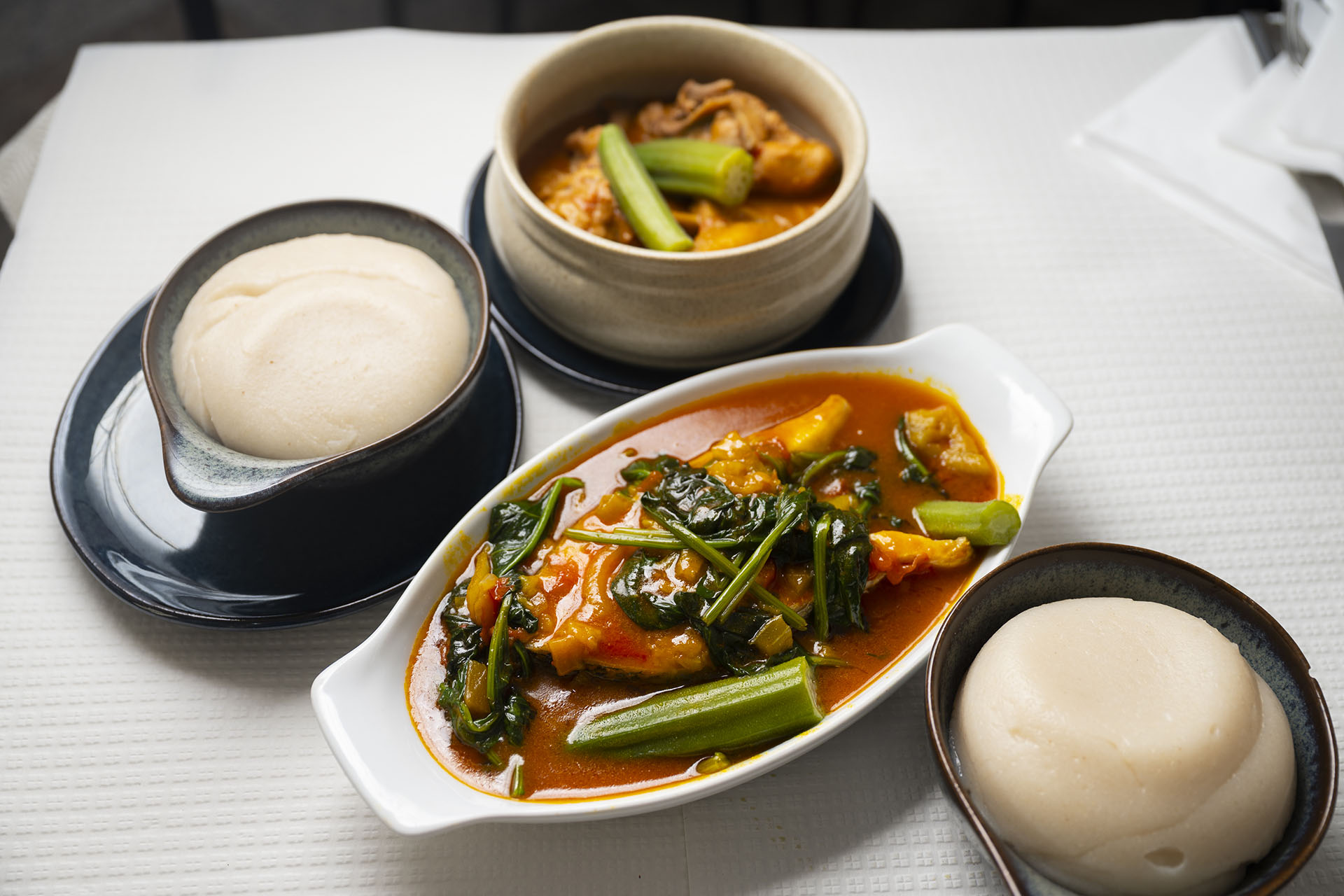
Portugal's colonial history left culinary traces across Lisbon's neighborhoods. Goan restaurants serve vindaloo and samosas. Brazilian pastelarias offer coxinhas and pastéis. Angolan kitchens prepare muamba de galinha with palm oil and okra.
These cuisines cluster in neighborhoods like Mouraria and Martim Moniz, where immigrant communities established footholds over decades. The post-colonial feast tours trace these connections, visiting restaurants where Cape Verdean, Mozambican, and Macanese traditions continue.
The spice trade routes Portugal pioneered centuries ago brought piripiri peppers from Africa to Goa and back to Lisbon. Today, house-made piripiri sauces vary by restaurant, each family guarding its proportions of chili, garlic, and oil.
What Is the Best Time to Take a Food Tour in Lisbon?
Lisbon's food culture follows rhythms that visitors should understand before planning tours. Lunch in Portugal begins around 1pm and can extend past 3pm. Dinner rarely starts before 8pm, with kitchens staying open until 10pm or later.
Afternoon tours lasting five to six hours span the transition from late lunch through early evening, allowing visits to establishments during their natural operating hours. This timing catches tascas at their most active, with locals stopping by after work.
Seasonal considerations affect what appears on menus. Sardines reach peak season during summer months, particularly around the June festivals of Santo António. Game dishes appear in fall. Winter brings hearty stews and roasted chestnuts from street vendors.
In Conclusion: How to Choose the Right Lisbon Food Tour for Your Visit
Lisbon's neighborhoods each offer distinct culinary identities shaped by geography, history, and the families who have cooked in their kitchens for generations. A food tour serves as both introduction and invitation, revealing the city through the establishments where locals actually eat.
The choice between tour themes depends on personal interests. Seafood enthusiasts gravitate toward the port district walks. Those curious about migration and colonial history find the multicultural tours revealing. First-time visitors often start with walks that survey multiple neighborhoods before returning independently to favorites.
Culinary Backstreets connects travelers with the places and people that define Lisbon's culinary character. The small group format, professional tour leaders, and commitment to honest tourism create experiences that go deeper than surface-level sampling. What remains after the tour ends is knowledge of where to return, what to order, and how to find the neighborhood institutions that have sustained Lisbon's food culture across generations.
FAQs about Lisbon Food Tour Neighborhoods
What is the best Lisbon neighborhood for a food tour?
Mouraria and Graça offer the most varied culinary experiences for food tours. These neighborhoods combine traditional tascas with multicultural kitchens and market stalls. Culinary Backstreets guides visitors through both areas on tours that last five to six hours.
Are Lisbon food tours good for solo travelers?
Solo travelers thrive on Lisbon food tours due to small group sizes. Culinary Backstreets limits tours to seven guests, creating intimate settings where solo visitors connect naturally with fellow food enthusiasts. Many guests describe the social warmth as a trip highlight.
What are petiscos and where should I try them?
Petiscos are Portuguese small plates meant for sharing at tascas and wine bars. Traditional petiscos include pica-pau, peixinhos da horta, and cod fritters. Culinary Backstreets includes multiple petisco stops on their neighborhood tours, introducing the dishes alongside their cultural context.
Which Lisbon markets should food travelers visit?
Mercado da Ribeira in Cais do Sodré combines a traditional morning market with the Time Out Market food hall. Mercado de Campo de Ourique serves a residential neighborhood with both traditional vendors and modern wine bars. Setúbal's Mercado do Livramento, an hour south, showcases Portugal's seafood traditions.
How long do Lisbon food tours typically last?
Culinary Backstreets Lisbon tours run five to six hours, covering 1.5 to 2.5 kilometers with numerous food stops. The pace remains unhurried, with eating breaks built into the walking. Tours include between nine and twelve tasting stops across multiple neighborhoods.
What traditional Lisbon foods should I try on a food tour?
Bacalhau preparations appear on most Lisbon tours, along with pastéis de nata, bifana sandwiches, and fresh seafood like amêijoas à Bulhão Pato. Culinary Backstreets introduces these dishes at neighborhood institutions where families have refined recipes across generations.