First Time Tokyo Food Guide for 2026

Your first time Tokyo food guide covering neighborhoods, ramen, sushi, dining etiquette, and local tips for navigating Japan's culinary capital in 2026.

Last Updated: August 2026

Tokyo holds more Michelin stars than any other city on earth, yet some of the most memorable meals here happen in counter seats that hold fewer than ten people. For first-time visitors, the sheer density of ramen shops, sushi counters, izakayas, and specialty restaurants can feel overwhelming. Culinary Backstreets explores Tokyo's food scene through guided experiences that connect travelers with the stories behind the food, from generations-old yakitori joints to backstreet noodle shops.

This guide breaks down where to eat, what to expect, and how to approach Tokyo's culinary landscape with confidence. You'll find practical neighborhood recommendations, dining etiquette essentials, and the local food rituals that make eating in Tokyo unlike anywhere else.


What Makes Tokyo's Food Culture Unique?

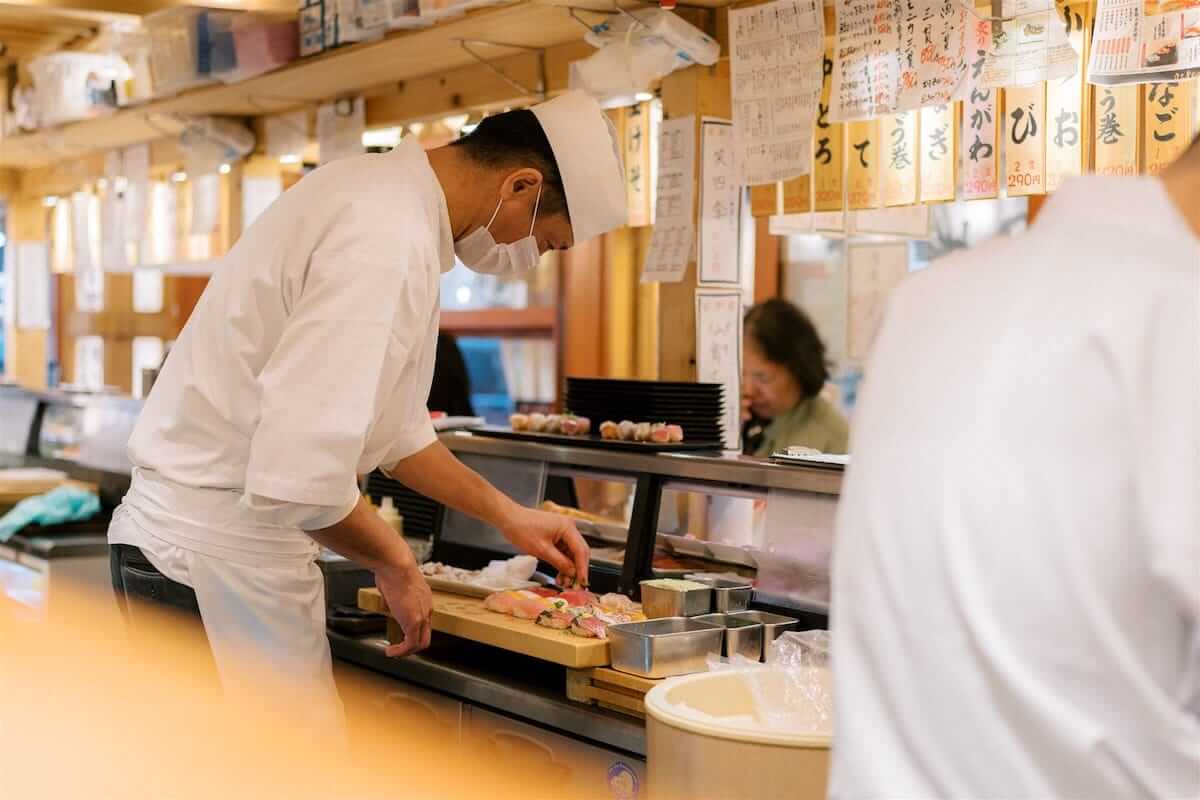
Tokyo restaurants operate differently from what you may know elsewhere. Chefs here embrace the shokunin philosophy, dedicating their careers to mastering a single craft. A ramen shop owner may spend decades perfecting one bowl, while a tempura chef focuses exclusively on the art of frying seasonal ingredients in light batter.

This specialization means you won't find menus offering sushi alongside curry alongside pizza. Each restaurant does one thing exceptionally well. Planning your eating around this structure helps you experience the depth of skill behind every dish.

The city's food culture also reflects deep seasonality. Chefs build their menus around what's freshest that day, which is why omakase (chef's choice) menus are so prevalent. Surrendering control to the chef often leads to the most memorable meals.

How Does Japanese Dining Etiquette Work?

Understanding local customs shows respect and often leads to better service and experiences. These guidelines apply across most dining situations.

Entering and Being Seated

Staff will greet you with "irasshaimase" (welcome) and lead you to a table. Seating yourself happens rarely in Japan. Some restaurants feature traditional zashiki seating on floor cushions at low tables, which requires removing your shoes before stepping onto the tatami mat area.

Ordering and Eating

A wet towel (oshibori) arrives first for cleaning your hands. Water or tea comes free with most meals. To get the server's attention, say "sumimasen" (excuse me) or press the call button if one exists at your table.

Many restaurants now use tablet ordering systems or QR codes that lead to mobile ordering in multiple languages. This technology has spread widely since the pandemic and often includes photos of dishes.

Chopstick Protocol

Mastering basic chopstick use makes dining smoother, as forks often aren't available at traditional restaurants. Never place chopsticks upright in rice, as this resembles incense at funerals. Rest them on the provided holder or across your plate between bites.

At high-end sushi restaurants, eating with your hands is generally acceptable. The small moistened towel provided is for wiping your fingers between pieces.

Paying and Tipping

Bills arrive face-down and are typically paid at a register near the exit rather than at the table. Cash remains common, though credit cards and IC cards like Suica work increasingly widely.

Tipping does not exist in Japan. Attempting to leave money on the table may result in staff chasing you down to return it. Saying "gochisosama deshita" (thank you for the meal) when leaving shows appreciation.

What Food Experiences Should First-Time Visitors Prioritize?

With limited time, focusing on experiences unique to Tokyo ensures you leave with distinctive memories rather than generic meals you could find anywhere.

Department Store Food Halls

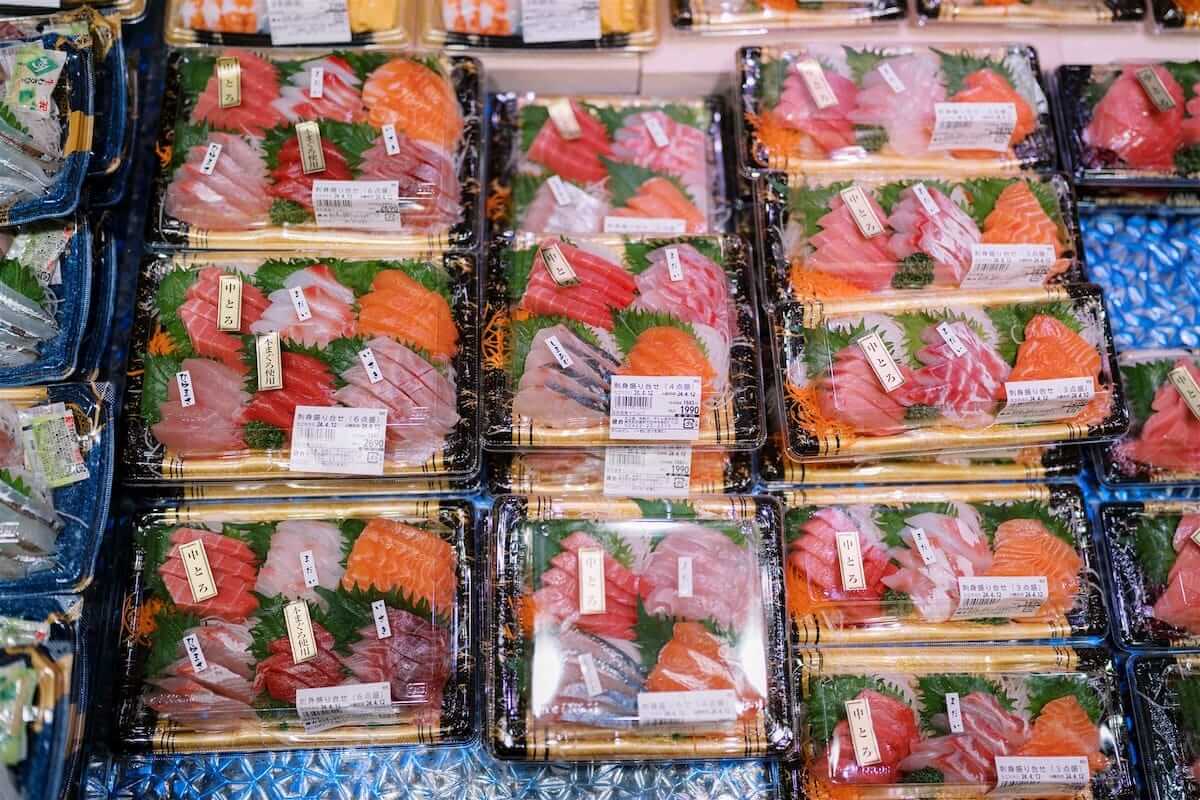
The basement floors of department stores like Isetan, Takashimaya, and Mitsukoshi contain depachika (department store food halls) unlike anything in Western shopping. Fresh sushi, bento boxes, wagashi (traditional sweets), premium fruits, and prepared dishes from renowned restaurants fill these spaces.

Standing Bars and Counter Seats

Some of Tokyo's most memorable meals happen standing at tiny counters or perched on stools at bars barely wider than the cook's workspace. The intimacy creates connection with the person preparing your food and often with fellow diners.

Seek out tachinomi (standing bars) for cheap drinks and snacks, or book counter seats at specialty restaurants where watching the chef work becomes part of the meal.

Guided Food Tours

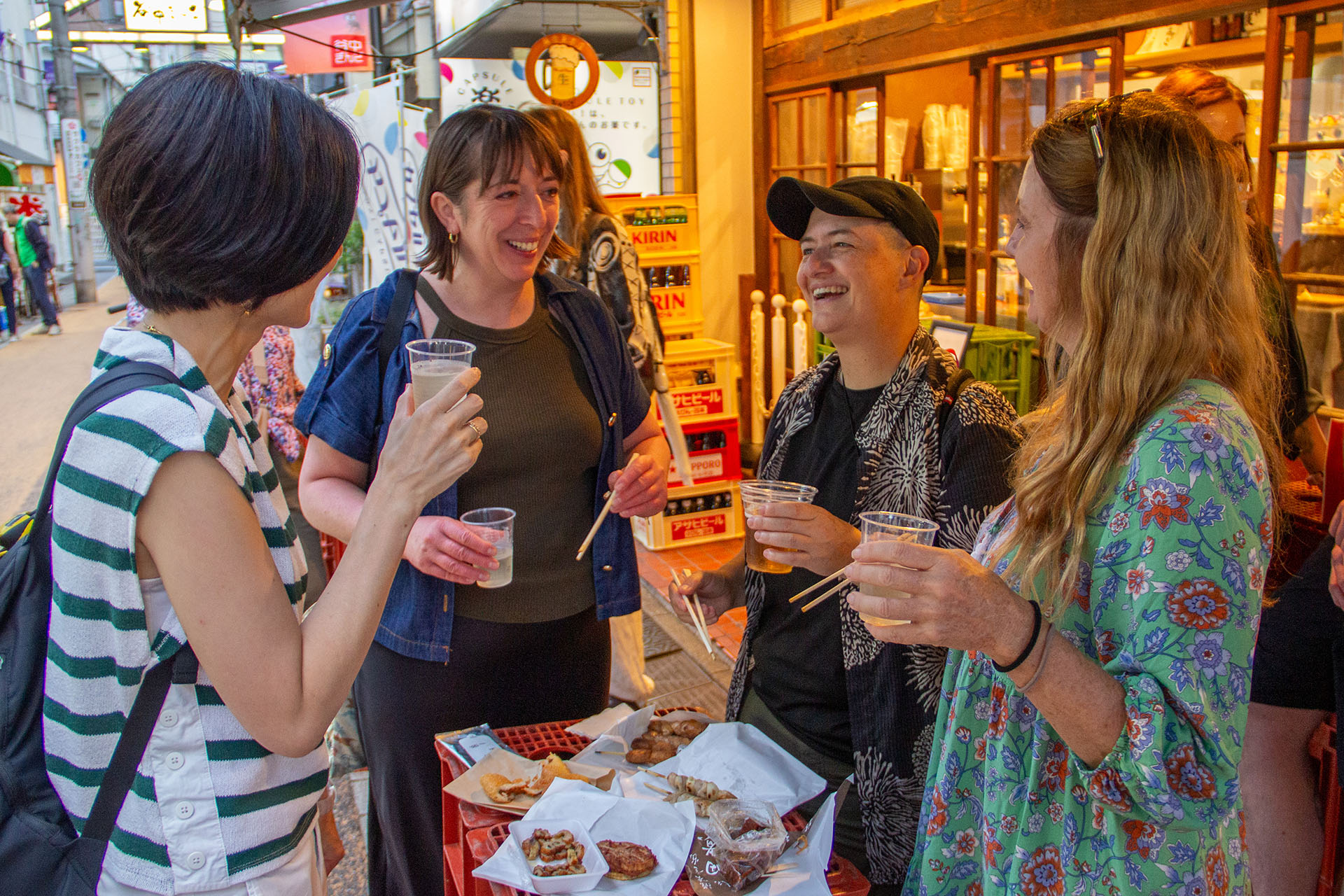
Professional local guides unlock access to restaurants and food stories that independent travelers miss. Culinary Backstreets' Kichijoji tour explores the exquisite culinary heritage of a single neighborhood, sampling through old school yakitori joints, department stores, avant-garde taverns, and hopping street food stands.

Small group sizes allow access to venues that larger parties cannot enter, creating intimate experiences that match the spirit of Tokyo's dining culture.

FAQs about First Time Tokyo Food Experiences

What is the best neighborhood for food in Tokyo for first-time visitors?

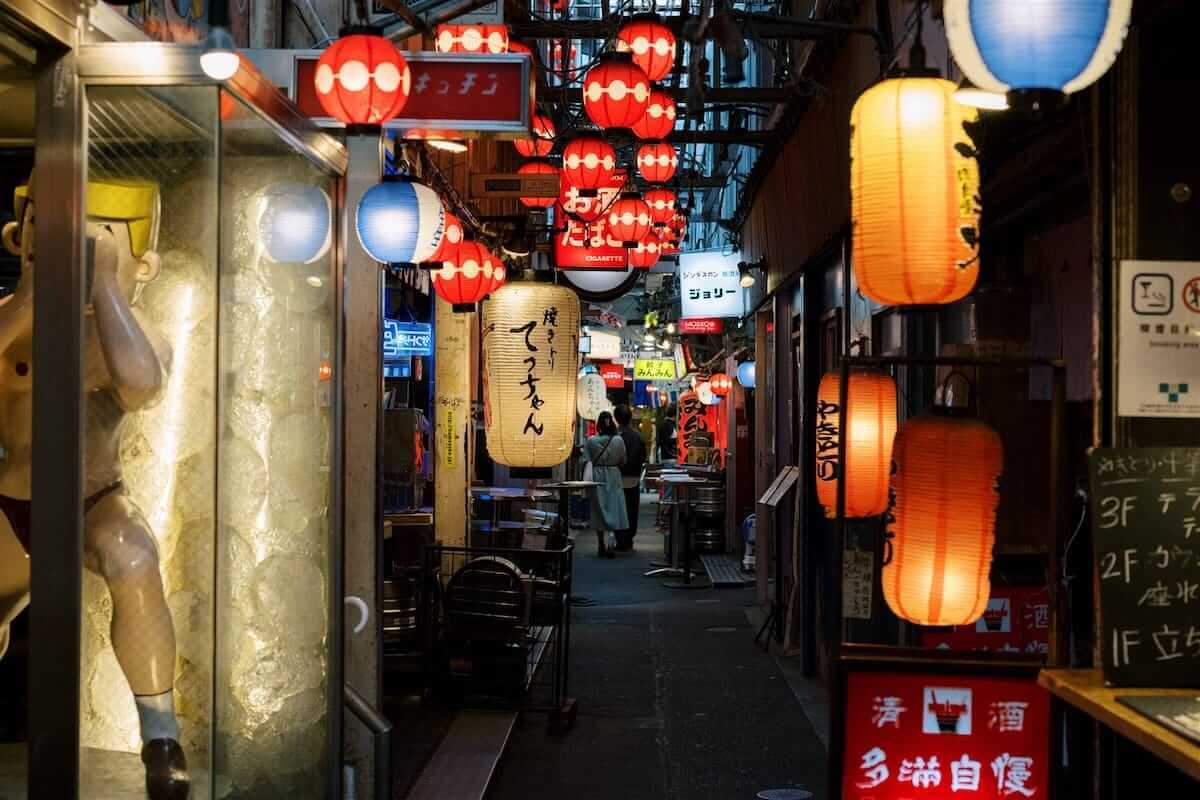
Shinjuku offers the widest variety for first-time visitors, with ramen alleys, izakaya lanes, yakitori stalls in Omoide Yokocho, and easy train connections to other areas. Culinary Backstreets leads tours through residential neighborhoods like Kichijoji for a more local perspective.

Do I need to speak Japanese to eat well in Tokyo?

No. Pointing at plastic food displays, using translation apps, and ordering omakase (chef's choice) all work without Japanese. Many restaurants now offer tablet ordering in multiple languages. Staff generally welcome international visitors warmly.

Is it safe to eat raw fish in Tokyo?

Yes. Japan maintains strict standards for fish handling and freshness. Sushi restaurants source from regulated markets and store fish at precise temperatures. Food safety incidents are rare, and the quality of raw fish in Tokyo surpasses most other cities.

Now, below you'll find the three Culinary Backstreets Tokyo tours, each offering a different way to experience the city's food, neighborhoods, and traditions.
The Three Tours

No. 01

Backstreet Yanesen: A Taste of Old Tokyo

Yanesen
~6 hrs 2–6 guests Yanesen From $195 per person

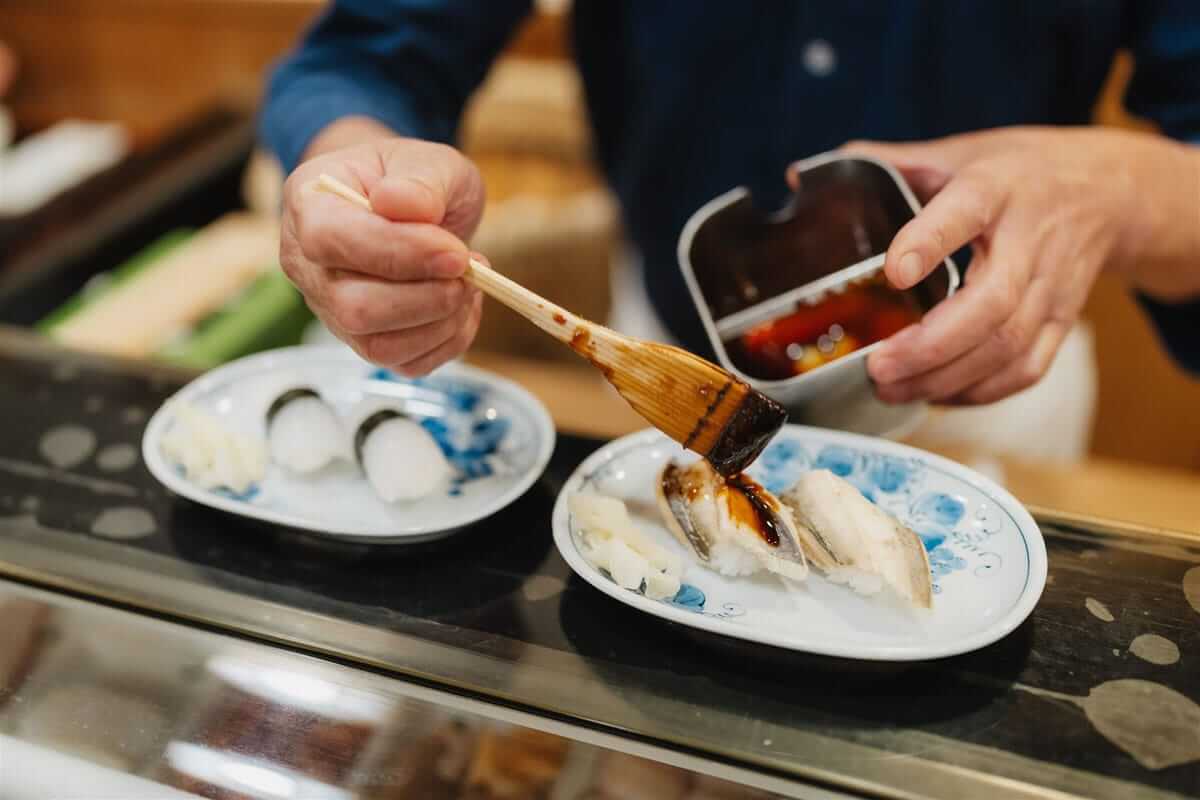
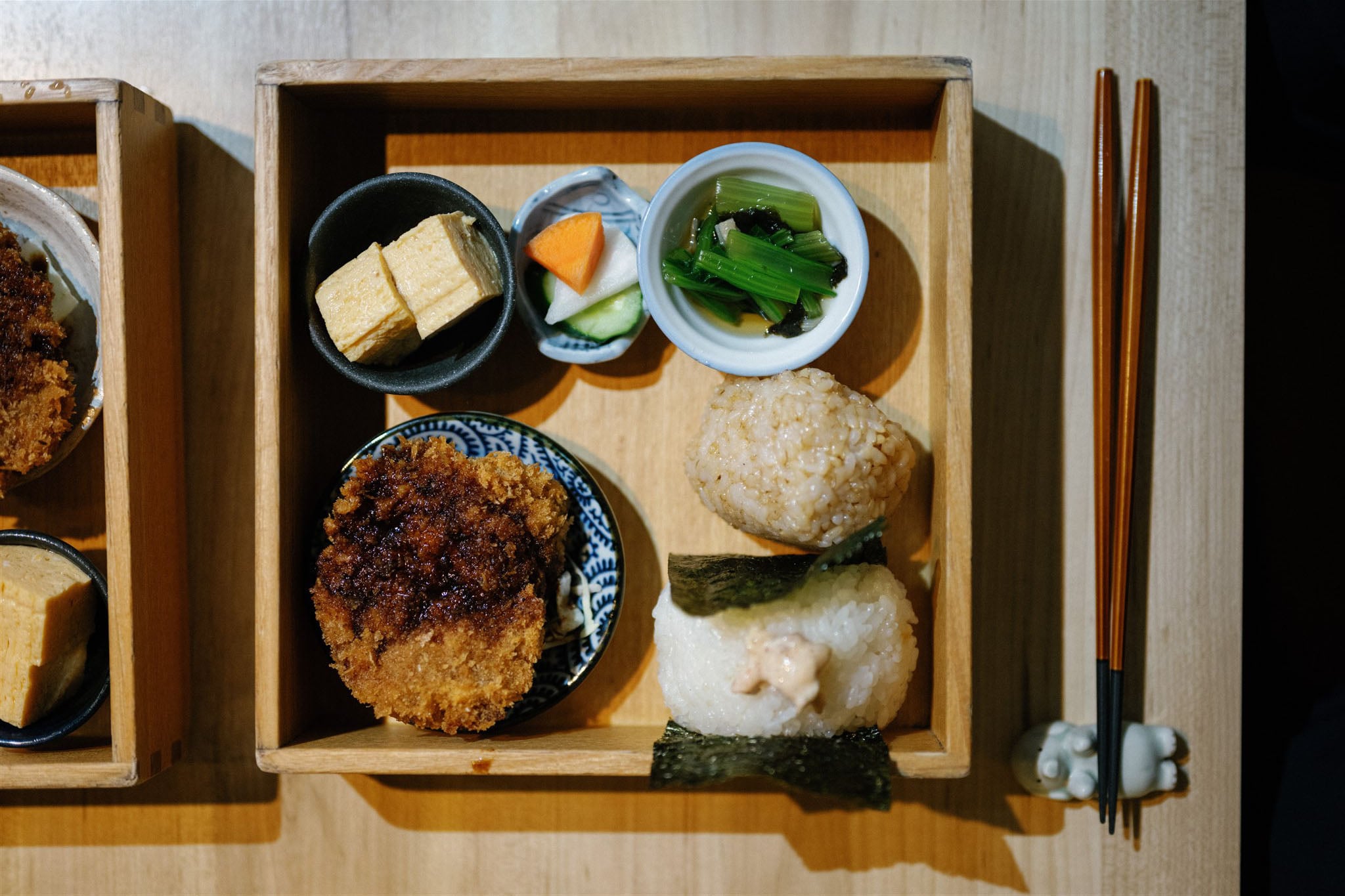
A journey through Yanesen, Tokyo's historic trio of Yanaka, Nezu, and Sendagi, where temples, shrines, and winding backstreets preserve the atmosphere of old Tokyo. You'll eat across multiple stops chosen by your Tour Leader: an onigiri specialist, a traditional unagi restaurant, century-old sweet shops, and a retro kissaten, with other stops rotating with the seasons. The experience balances street food with sit-down stops while exploring the neighborhood's culinary traditions.

Includes All food and tastings, stroller-friendly, 9-12 stops, 2.5km of walking and a limited alcohol selection
Best For Visitors who want to experience Tokyo beyond its modern skyline, and travelers interested in discovering the city's historic neighborhoods through traditional food, local crafts, and everyday life.
No. 02

The Spirit of Tokyo: Exploring Old School Monzen-Nakacho

Monzen-Nakacho
~6 hrs 2–6 guests Monzen-Nakacho From $195 per person

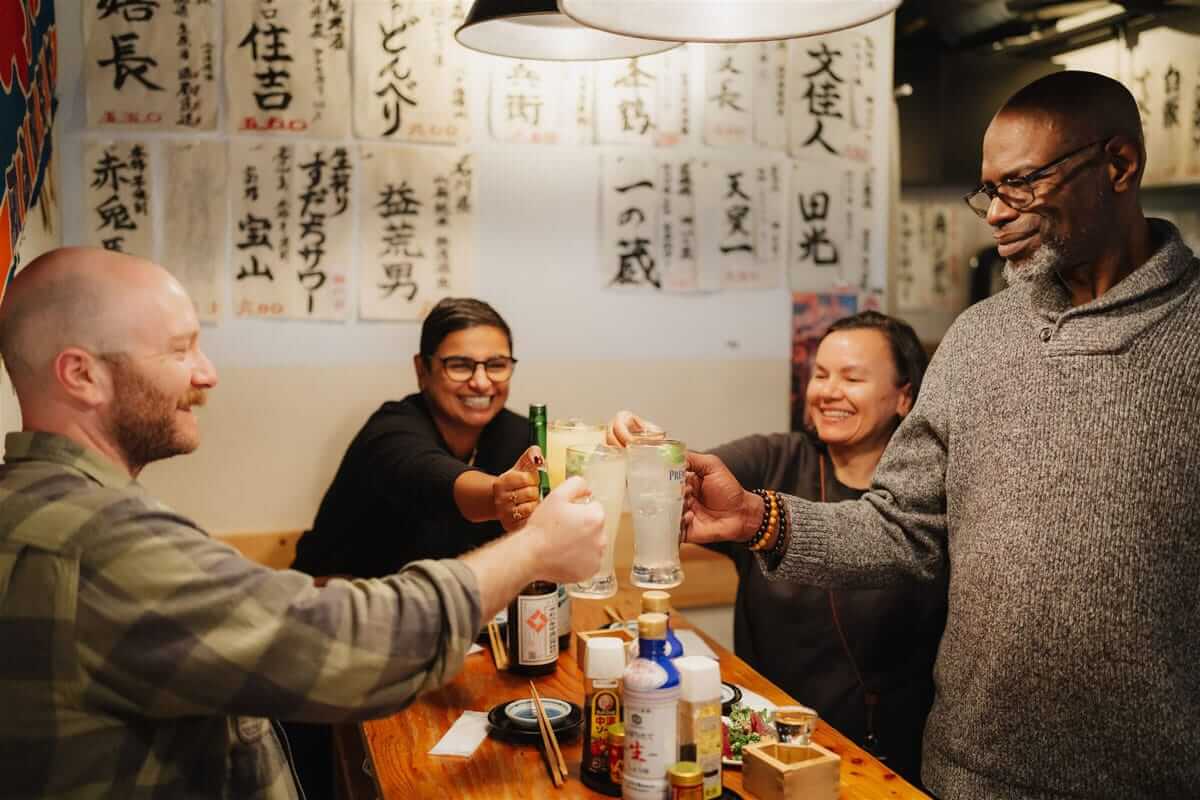
An afternoon-into-evening journey through Monzen-Nakacho, one of Tokyo's historic old-town neighborhoods, where temples, generations-old food shops, and hidden izakayas coexist. You'll eat and drink across multiple stops chosen by your Tour Leader: traditional food shops, a sake bar, a plum wine specialist, and a neo-izakaya, with other stops rotating with the seasons. The experience explores the neighborhood's food, drink, and local traditions.

Includes All food and tastings, stroller-friendly, 9-12 stops, 2.5km of walking, and alcoholic beverages
Best For Visitors who want to experience Tokyo after dark, and travelers interested in traditional Japanese drinking culture, neighborhood history, and local life.
No. 03

Small Town in the Big City: Tasting Tokyo’s Kichijoji

Kichijoji
~6 hrs 2–6 guests Kichijoji From $195 per person

A journey through Kichijoji, one of Tokyo's most beloved neighborhoods, where traditional food shops, lively shopping streets, and modern food culture come together. You'll eat across multiple stops chosen by your Tour Leader: a department store food hall, yakitori stalls, a family-run senbei shop, a miso specialty restaurant, and a traditional izakaya. The experience balances street food with sit-down stops while exploring Tokyo's everyday culinary traditions.

Includes All food and tastings, kids are welcome, 9-12 stops, 2.5km of walking, and samples of alcohol
Best For First-time visitors who want an introduction to Tokyo's everyday food culture and travelers interested in experiencing both traditional and modern Japanese cuisine.

Quick Comparison: All Three Tokyo Food Tours

Every Culinary Backstreets Tokyo food tour at a glance — duration, group size, starting price, and who each tour suits best.

Tour Neighbourhood Duration Size Price Best for
Backstreet Yanesen: A Taste of Old Tokyo Yanesen ~6 hrs 2–6 $195 Culture seekers
The Spirit of Tokyo: Exploring Old School Monzen-Nakacho Monzen-Nakacho ~6 hrs 2–6 $195 Izakaya enthusiasts
Small Town in the Big City: Tasting Tokyo’s Kichijoji Kichijoji ~6 hrs 2–6 $195 First-time visitors

How to Choose Your Tokyo Food Tour

If it's your first time in Tokyo

Take Small Town in the Big City: Tasting Tokyo’s Kichijojir. It offers the broadest introduction to Tokyo's everyday food culture, combining traditional specialties, street food, and modern food halls in one of the city's most beloved neighborhoods.

If you want to experience old Tokyo

Take Backstreet Yanesen: A Taste of Old Tokyo. It explores one of Tokyo's best-preserved historic neighborhoods, where temples, century-old food shops, and local artisans offer a glimpse into the city's past.

If you want to experience Tokyo after dark

Take The Spirit of Tokyo: Exploring Old School Monzen-Nakacho. It combines hidden izakayas, sake tastings, historic temples, and lively backstreets, revealing the neighborhood as it comes alive in the evening.

What Makes a Culinary Backstreets Tokyo Food Tour Different

There are dozens of food tour operators in Tokyo. Most of them are perfectly fine. A few are excellent. Here is honestly where we sit, and why we recommend our tours for travelers who want a particular kind of experience.

01

Maximum seven guests

Most food tours in Tokyo run with 8 to 12 guests. Ours run with two to seven. This is one of the smallest group sizes in the food tour industry, and it is the reason we can take you into places that wouldn't accommodate a larger party — tiny izakayas, family-run sweet shops, neighborhood food stalls, and other small businesses that are central to Tokyo's everyday food culture.

02

We do not accept free meals or commissions

Most tour companies accept free meals from the restaurants they visit. Others earn commissions for bringing guests through the door. Culinary Backstreets does not accept free meals or any commissions, ensuring that honest tourism remains the foundation of every experience.

03

Our Tour Leaders are professionals

Food journalists, chefs, and longtime neighborhood residents lead our tours, sharing firsthand knowledge and personal stories rather than following a scripted tour. Our tour leaders bring years of relationships with the cooks, vendors, and artisans you'll meet.

04

We support local communities

At Culinary Backstreets, we focus our tours and city guides on small, independent, family-run establishments rather than tourist-heavy venues. In Tokyo, that means supporting neighborhood eateries, traditional sweet shops, family-run businesses, and artisan producers that keep the city's culinary traditions alive.

Tokyo Food Tour FAQs

Which Tokyo food tour is best for first-time visitors?

Kichijoji Food Tour. It offers the broadest introduction to Tokyo's everyday food culture, taking you through one of the city's most beloved neighborhoods where traditional food shops, bustling shopping streets, and modern food halls coexist. With a balance of street food and sit-down stops, it gives first-time visitors a deeper understanding of how Tokyo eats beyond its famous landmarks.

Are the Food Tours good for solo travelers?

Very much so. Many of our guests join us alone – and a maximum of 6 guests per tour makes this one of the most comfortable settings for solo travelers we know of. There’s no large-group dynamic to navigate; it genuinely feels like eating with a small circle of like-minded people. Solo guests frequently tell us the tour was the highlight of their trip, and the social warmth takes them by surprise.

I’ve never been to Tokyo before — is your tour a good way to start my trip?

It’s one of the best ways. We strongly recommend booking on your first or second day in the city. Your Tour Leader becomes a living resource – they’ll point you toward exactly where to eat, which neighborhoods to return to, and what to order for the rest of your stay. Many guests find the tour completely reshapes how they spend the following days. A city as layered and rewarding as Tokyo deserves that kind of early grounding.

Will we only visit famous restaurants?

Quite the opposite. We focus on small, independent businesses that are deeply rooted in their neighborhoods rather than places made famous by guidebooks or social media. From family-run shops and traditional sweet makers to tiny izakayas and local specialists, you'll experience the kinds of places that give Tokyo its extraordinary food culture.

Do I need to know anything about Japanese food before joining?

Not at all. Whether it's your first bowl of ramen or you've been exploring Japanese cuisine for years, the tours are designed for all levels of curiosity. Your Tour Leader explains the ingredients, traditions, etiquette, and stories behind each stop, helping you understand not just what you're eating, but why it matters in Tokyo's food culture