Last Updated: August 2026
Barcelona's culinary scene stretches far beyond paella and sangria. From century-old bodegas in Gràcia to market stalls in El Born, the city rewards those who look beyond the obvious. A well-chosen Barcelona food tour becomes your shortcut to the places where locals gather and traditions endure.
This guide walks you through everything you need to consider before booking. You'll learn how neighborhoods shape the experience, what separates a mediocre tour from a memorable one, and which questions to ask so you end up eating with purpose rather than just following a crowd.
Why Does Neighborhood Focus Define a Barcelona Food Tour?
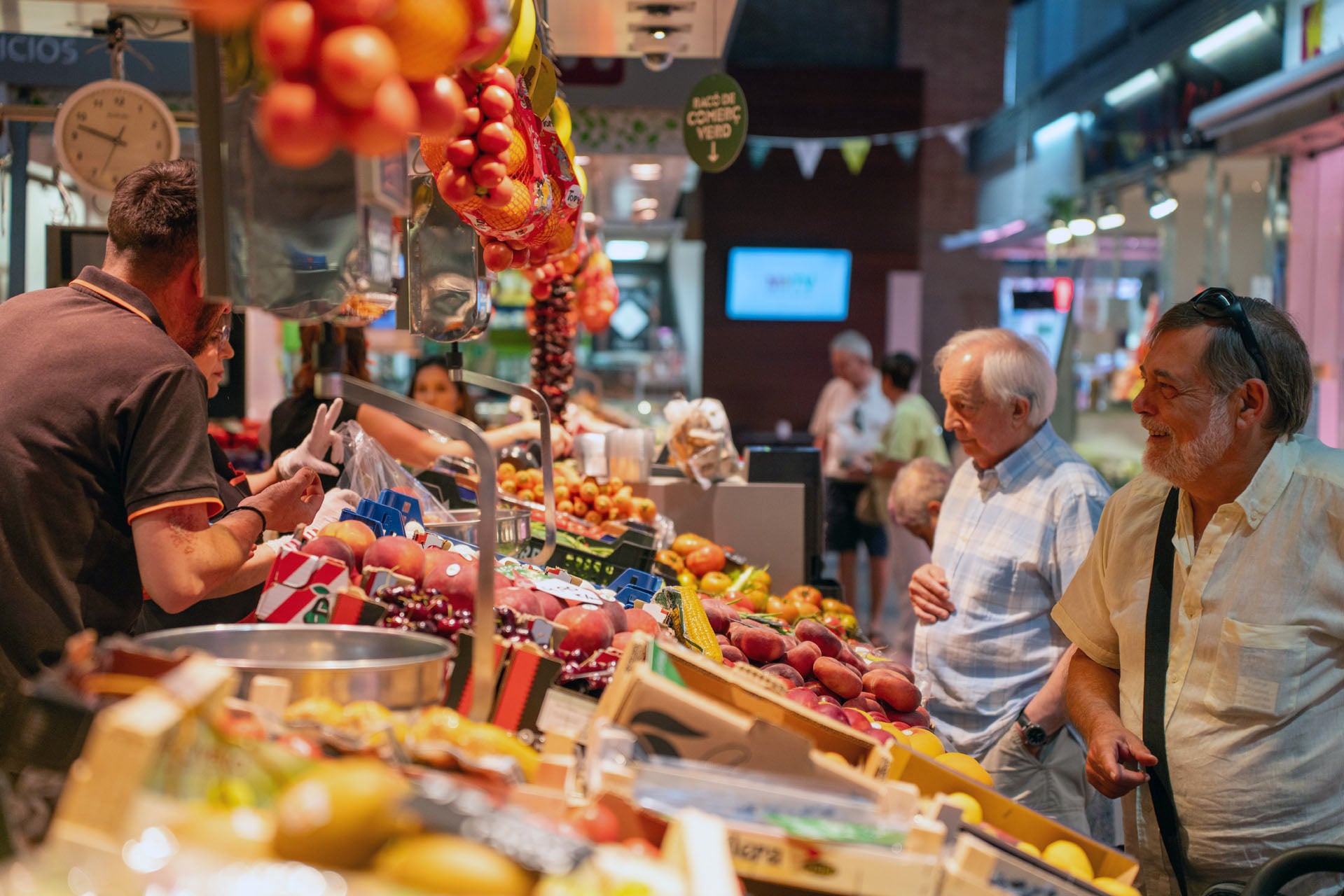
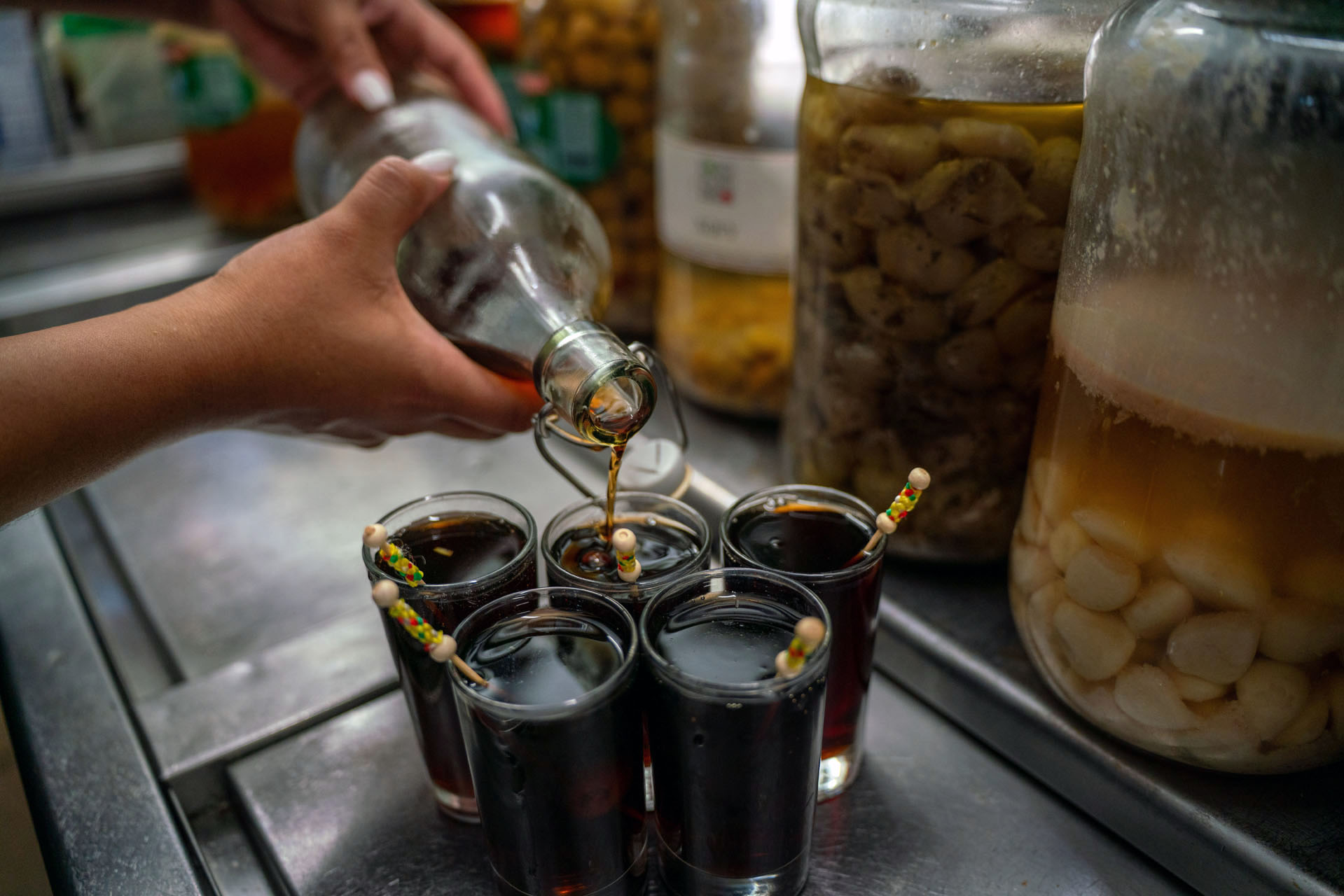
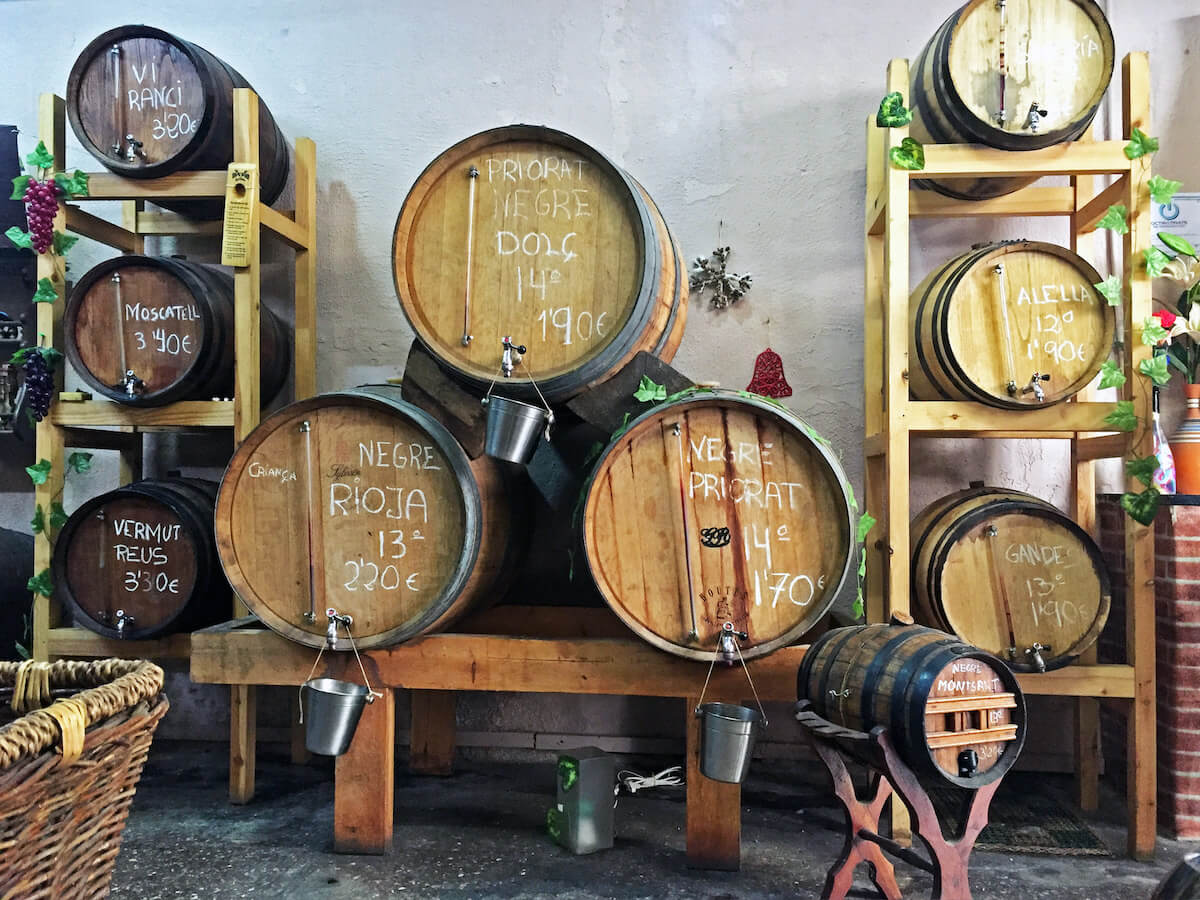
Barcelona is a city of distinct barrios, each with its own food traditions. A tour through the Gothic Quarter will introduce you to historic taverns and Roman-era wine cellars. Walk through Gràcia, and you'll find fiercely Catalan identity expressed through century-old sweets shops and artisanal vermouth bars.
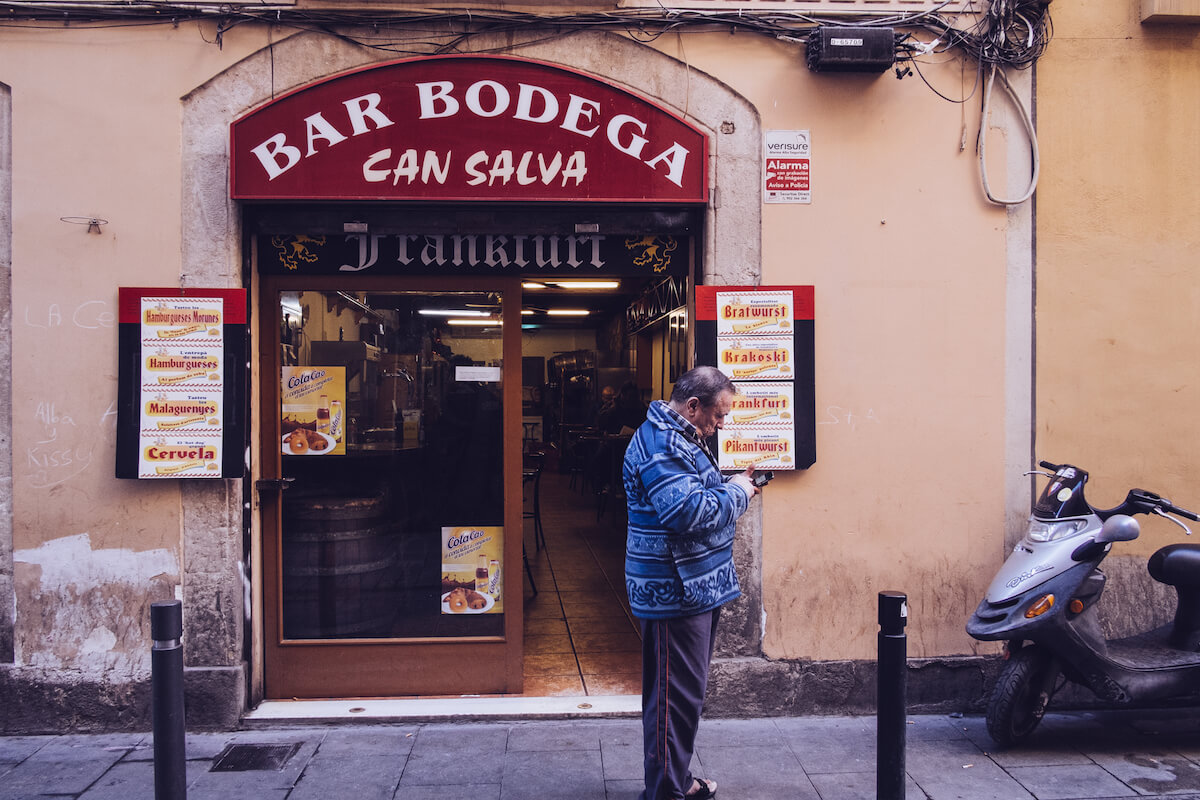
The Sants neighborhood, rarely visited by most travelers, rewards those seeking a local food scene far from Gaudí crowds. El Born brings a mix of traditional bodegas and contemporary culinary projects.
When evaluating a tour, ask which specific neighborhood it explores. Tours that hop between disconnected areas often sacrifice depth for breadth. The best experiences ground you in one district's rhythms: its morning markets, its aperitivo rituals, its family-run institutions.
How Do Group Sizes Affect Your Experience?
Group size shapes every aspect of a food tour. Large groups (fifteen or more guests) move through restaurants designed for volume, eating standardized portions that bear little resemblance to how locals dine. The conversation stays superficial, and your guide becomes a traffic controller.
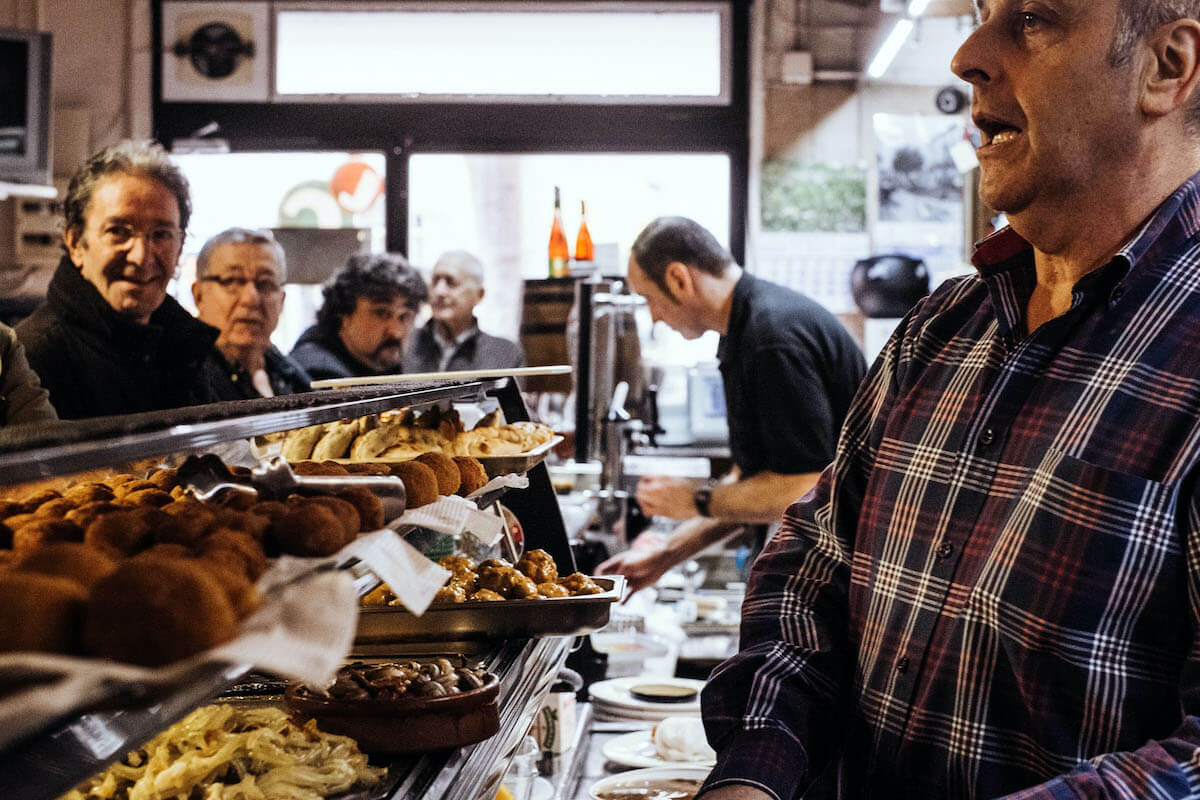
Tours capped at seven guests operate in a different register entirely. Small numbers unlock family bodegas where there are only six stools at the bar. They allow conversations with shop owners who share stories they wouldn't tell a crowd. They create the intimacy of eating with a small circle of like-minded travelers.
Culinary Backstreets limits its Barcelona tours to seven guests maximum. This small-group approach means every stop feels like a personal introduction rather than another venue to check off a list.
What Separates Professional Tour Leaders from Scripted Guides?
The person leading your tour determines whether you leave with a list of places to revisit or just a full stomach. Scripted guides read from prepared notes and cannot answer questions beyond their training. Professional tour leaders bring years of relationships with the cooks, vendors, and artisans you'll meet.
Look for tour leaders with backgrounds in food journalism, culinary arts, or deep neighborhood residency. These professionals share historical context, explain why a particular bodega matters to the community, and adapt their storytelling to the group's interests.
At Culinary Backstreets, tour leaders include food journalists, chefs, and longtime neighborhood residents. They spend years building relationships with the places on each route. When you sit down at a family-run restaurant with someone who has been visiting for a decade, the owner greets you differently.
How Does Catalan Cuisine Differ from Spanish Food?
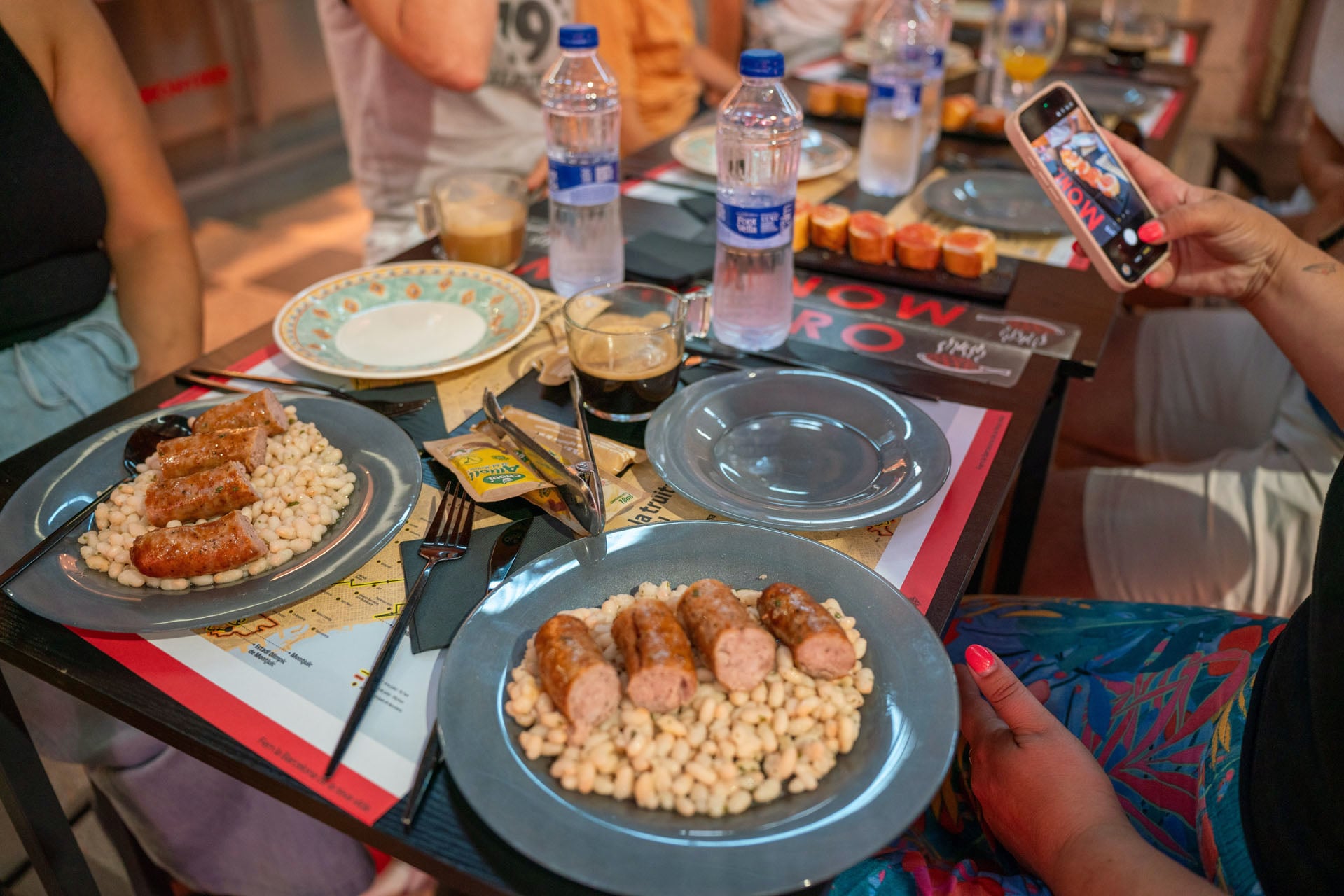
Catalonia has a distinct culinary identity that sets it apart from the rest of Spain. The kitchen here draws on Mediterranean ingredients: seafood from the coast, olive oil from the interior, almonds and hazelnuts from the countryside. Catalan sweets carry their own traditions. Crema catalana, the glazed custard that predates French crème brûlée, is a birthday and festival standard.
A food tour focused on Catalan cuisine teaches you these distinctions. You'll learn why certain dishes appear only in specific seasons, how regional products like calçots (spring onions) are prepared, and which bakeries have kept family recipes alive for generations.
When Is the Best Time to Book a Barcelona Food Tour?
Timing affects both availability and experience quality. During peak season (May through October), tours with small group caps fill quickly. Booking two to four weeks in advance helps secure your preferred date.
More importantly, consider when during your trip to schedule the tour. Booking on your first or second day in Barcelona transforms the rest of your stay. Your tour leader becomes a living resource, pointing you toward exactly where to eat, which neighborhoods to return to, and what to order for the remainder of your visit.
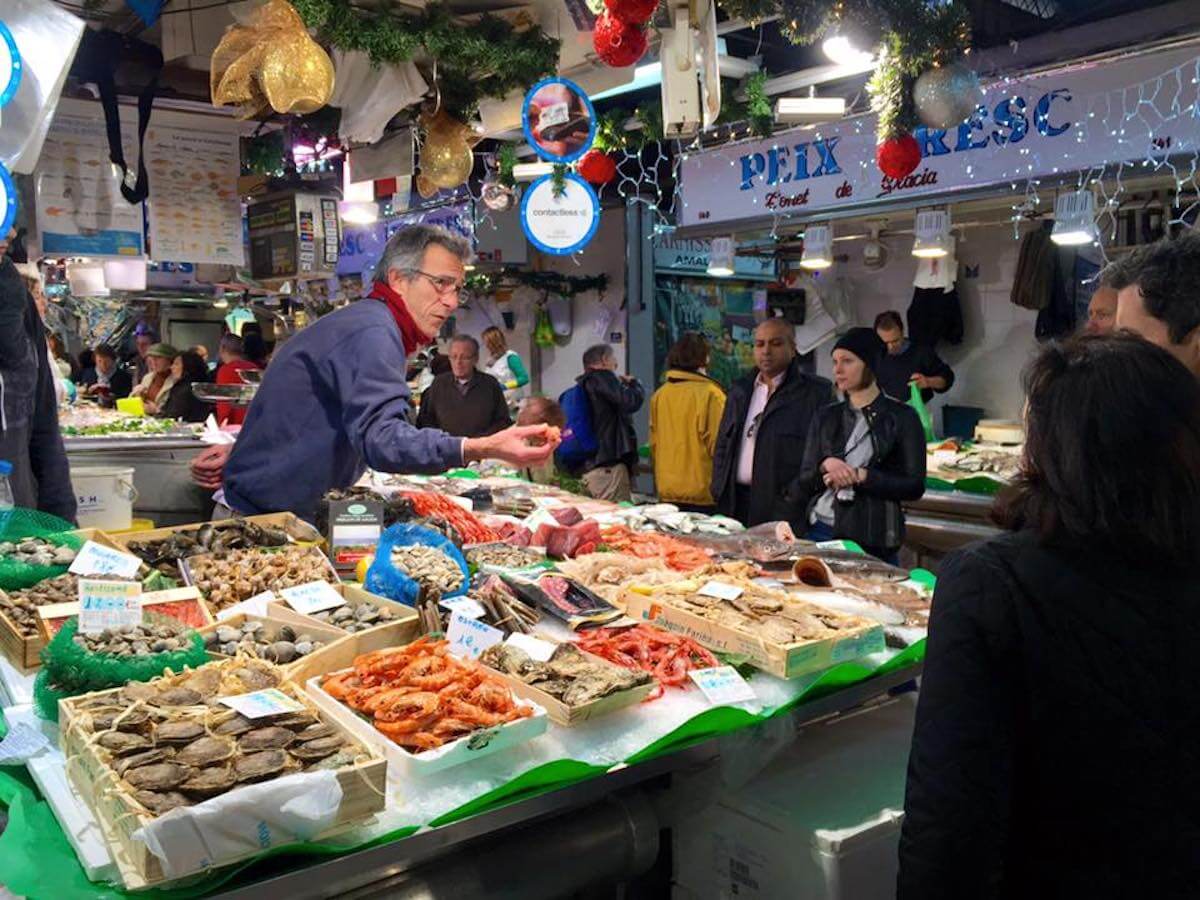
Morning tours often include market visits when vendors are freshest and activity is highest. Afternoon tours capture the vermut hour ritual. Evening options let you experience how Barcelona transitions from aperitivo to dinner.
How Do Food Tours Handle Dietary Restrictions?
Barcelona's traditional cuisine relies heavily on pork, seafood, and dairy. Before booking, understand how a tour accommodates dietary needs.
Tours can generally accommodate vegetarians and pescatarians, though some stops may need to be skipped or modified. Gluten-free adjustments are possible with advance notice. Vegan diets present the greatest challenge, as Catalan cooking depends on animal products at nearly every turn.
Communicate your restrictions at least forty-eight hours before your tour. This gives your tour leader time to plan alternatives and coordinate with venues. The best companies ask about dietary needs during booking and follow up before your arrival.
What Questions Should You Ask Before Booking?
A few direct questions separate thoughtful tours from tourist-mill operations:
What is your maximum group size? Look for answers of ten or fewer. Seven is even better.
Who leads your tours? Professional backgrounds in food writing, culinary arts, or years of neighborhood residency indicate depth.
Do you accept free meals or commissions from venues? Honest tourism requires a no on both counts.
Which neighborhood do you explore? Specificity matters. Tours that name exact districts show focus; tours that promise "all of Barcelona" suggest surface-level coverage.
How many food stops are included? Quality matters more than quantity, but understanding the tour's scope helps set expectations.
What Makes a Barcelona Food Tour Worth the Investment?
The value of a food tour extends far beyond the food itself. You gain a framework for understanding a city's culinary culture, access to places you would not find independently, and relationships that reshape your remaining days.
A highlights-reel tour delivers exactly that: highlights. A deeper experience connects food to neighborhood identity, history to the present moment, and your presence to the ongoing life of the community.
The guests who find the most value come hungry for context as much as calories. They leave with a list of places they'll return to independently. That willingness to return, to seek out the same bodega or market stall on your own, is the true measure of whether a food tour succeeded.