How to Plan a Mexico City Culinary Trip in 2026

Plan a multi-day Mexico City Culinary Trip with this guide to neighborhoods, local food traditions, and when guided expertise improves your experience.

Last Updated: August 2026

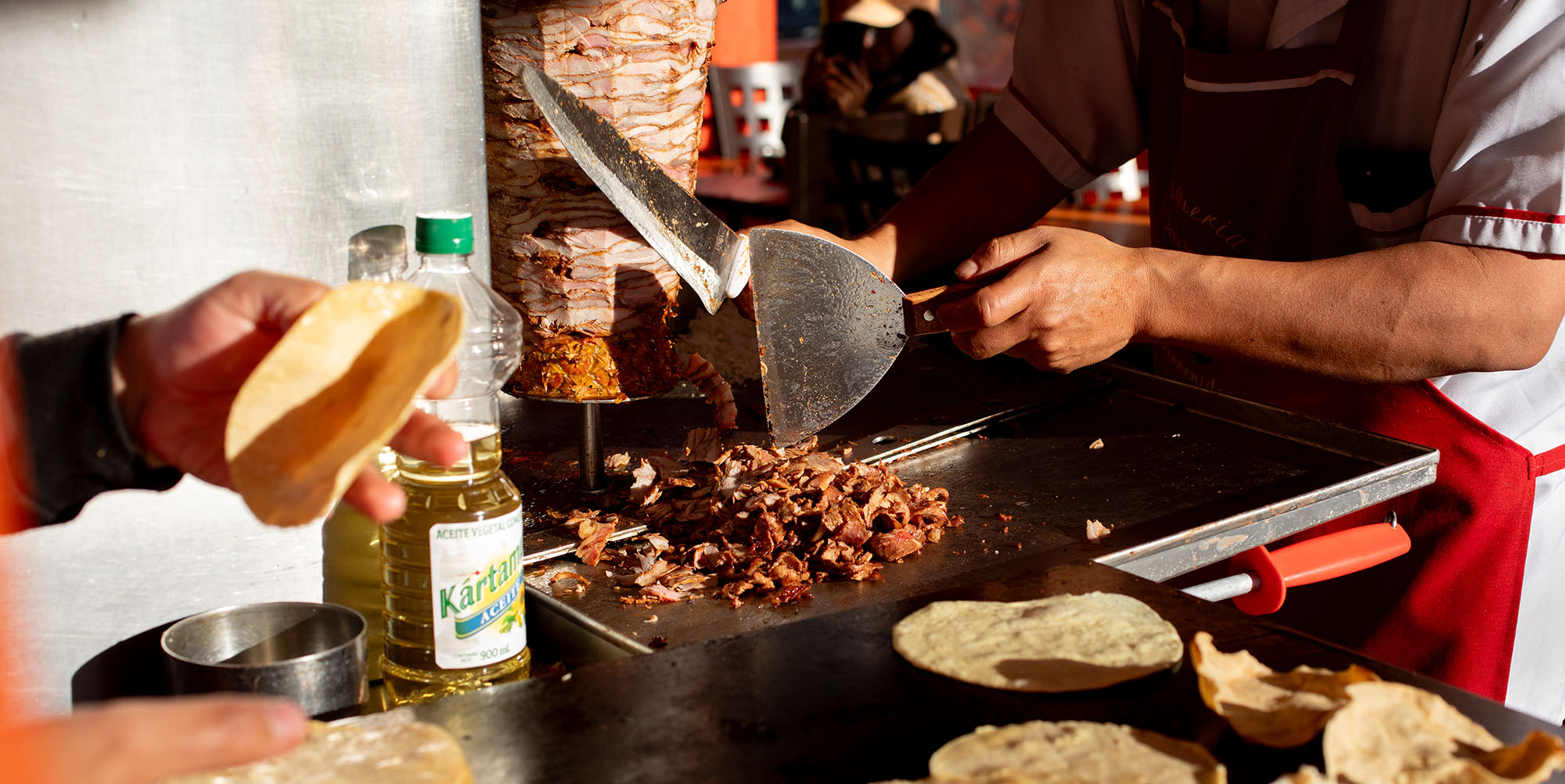
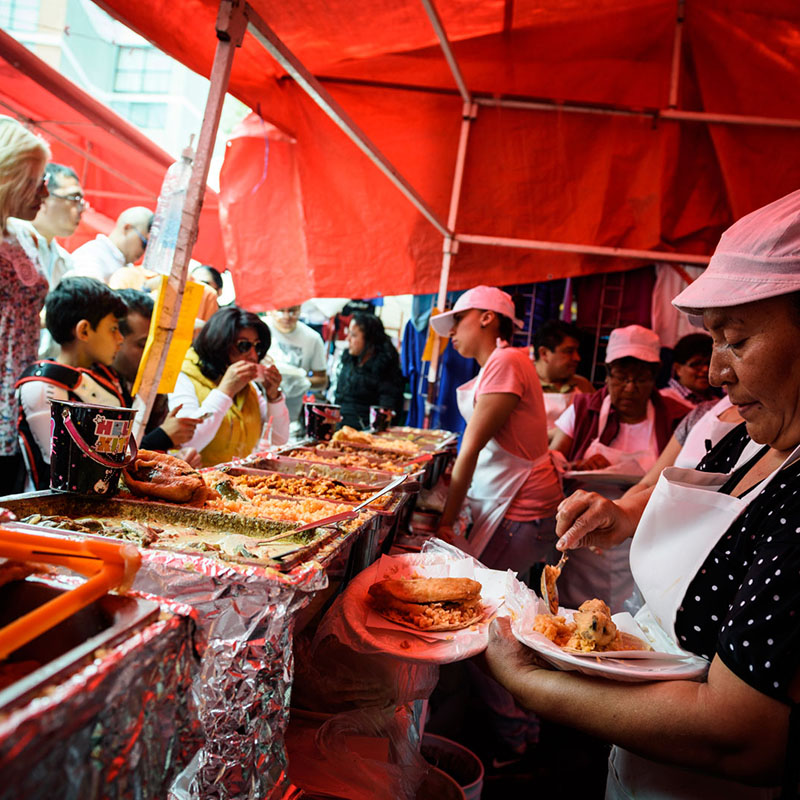
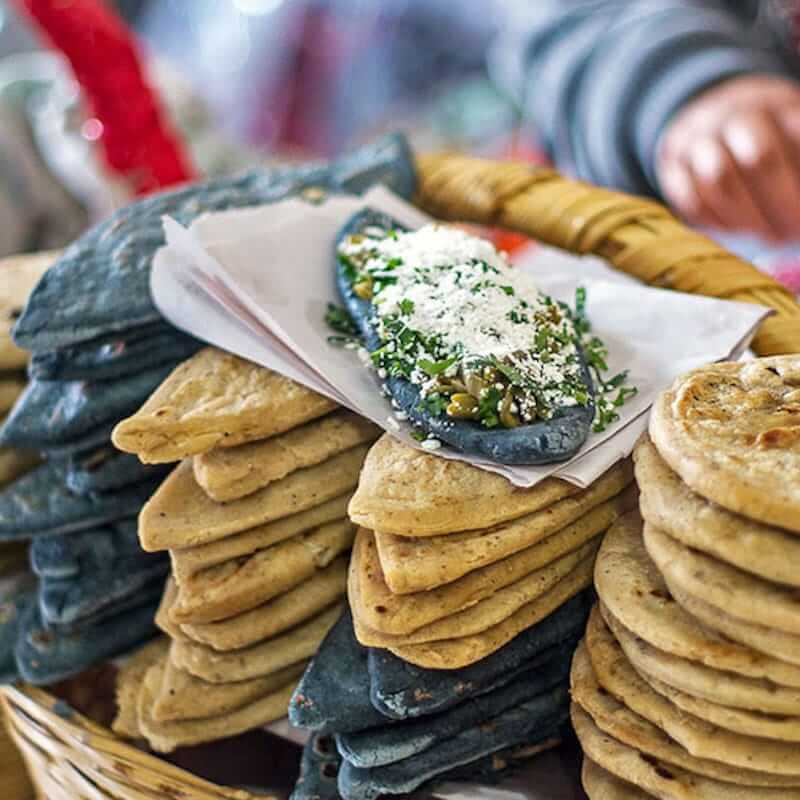
Mexico City rewards the traveler who brings an appetite and a sense of curiosity. From predawn chilaquiles at coal-fired fondas to late-night tacos al pastor glowing under fluorescent lights, the capital's culinary traditions stretch across centuries and neighborhoods, each bite carrying the memory of migration, family recipes, and regional pride. Planning a multi-day culinary trip in Mexico City means deciding not just what to eat, but how deeply you want to explore the stories behind every dish.

Why Mexico City Demands More Than a Weekend

The city's food traditions are not concentrated in a single district. Tacos de guisado in Zona Rosa come from family recipes passed down for generations. Oaxacan tlayudas in Centro Histórico reflect the steady migration of regional cuisines into the capital. Yucatecan cochinita pibil in Colonia Juárez tells a story of domestic migration booms that reshaped how the city eats.

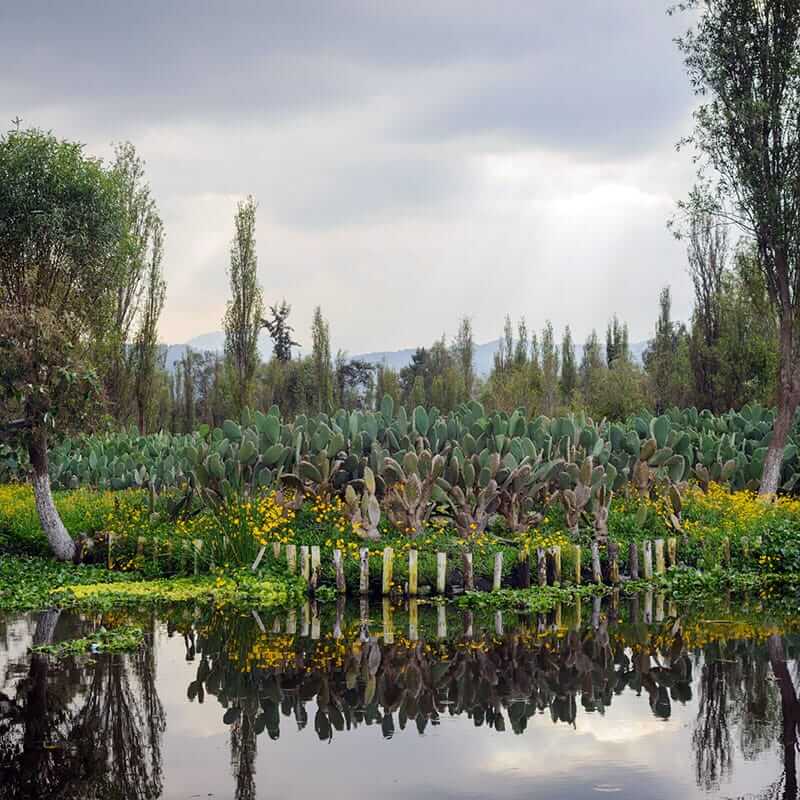
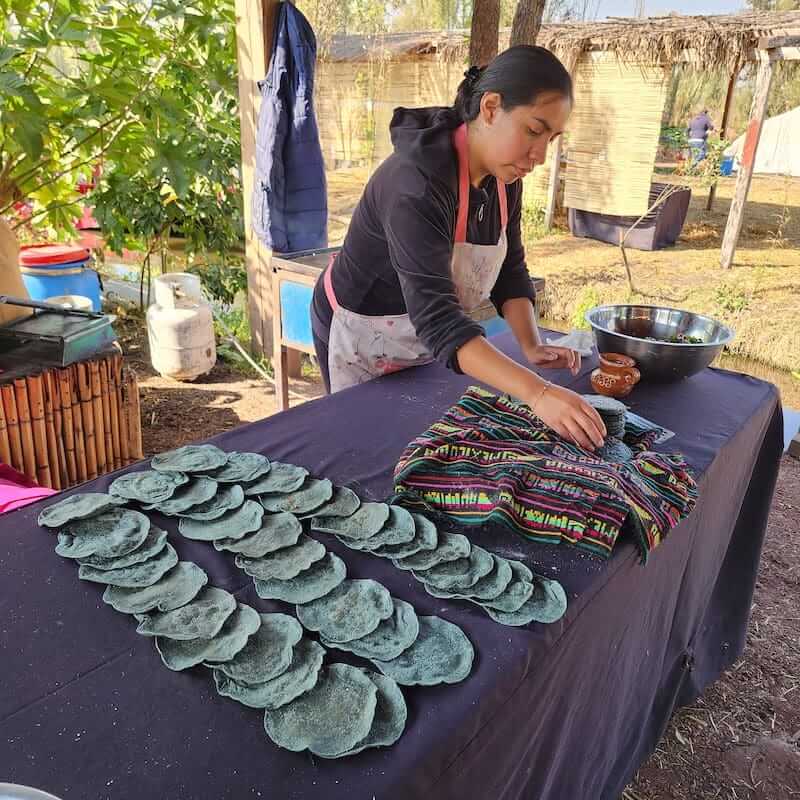
A weekend trip forces you to choose between neighborhoods, and choosing means missing entire culinary traditions. Four to five days allows you to eat breakfast in Tacubaya, spend an afternoon in Xochimilco's floating farms, and still have time for a proper taco crawl through Narvarte. More importantly, it gives your palate time to adjust and your curiosity time to grow.

Where to Stay for the Best Culinary Access

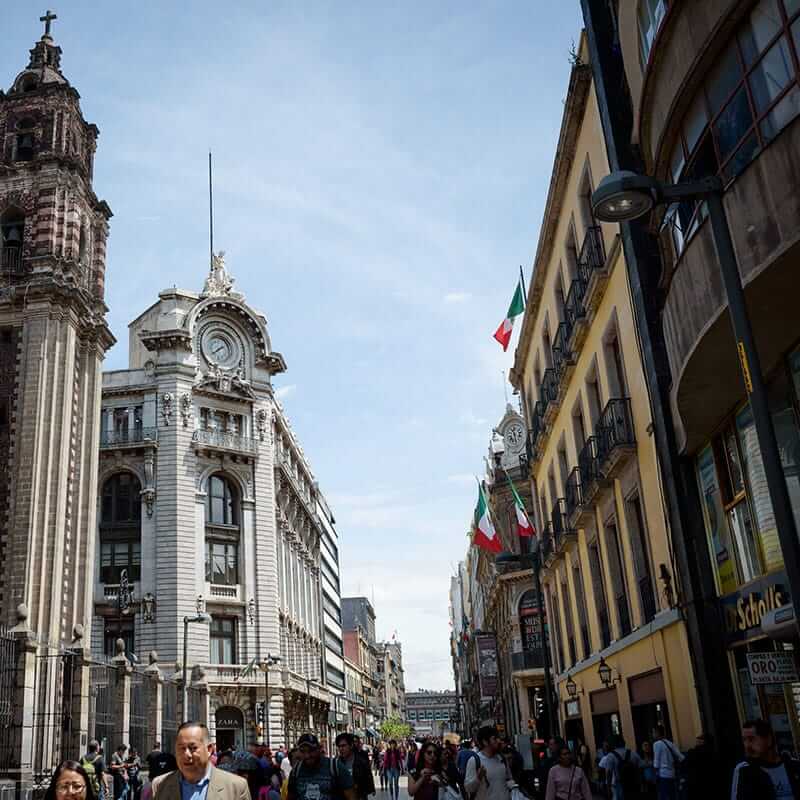
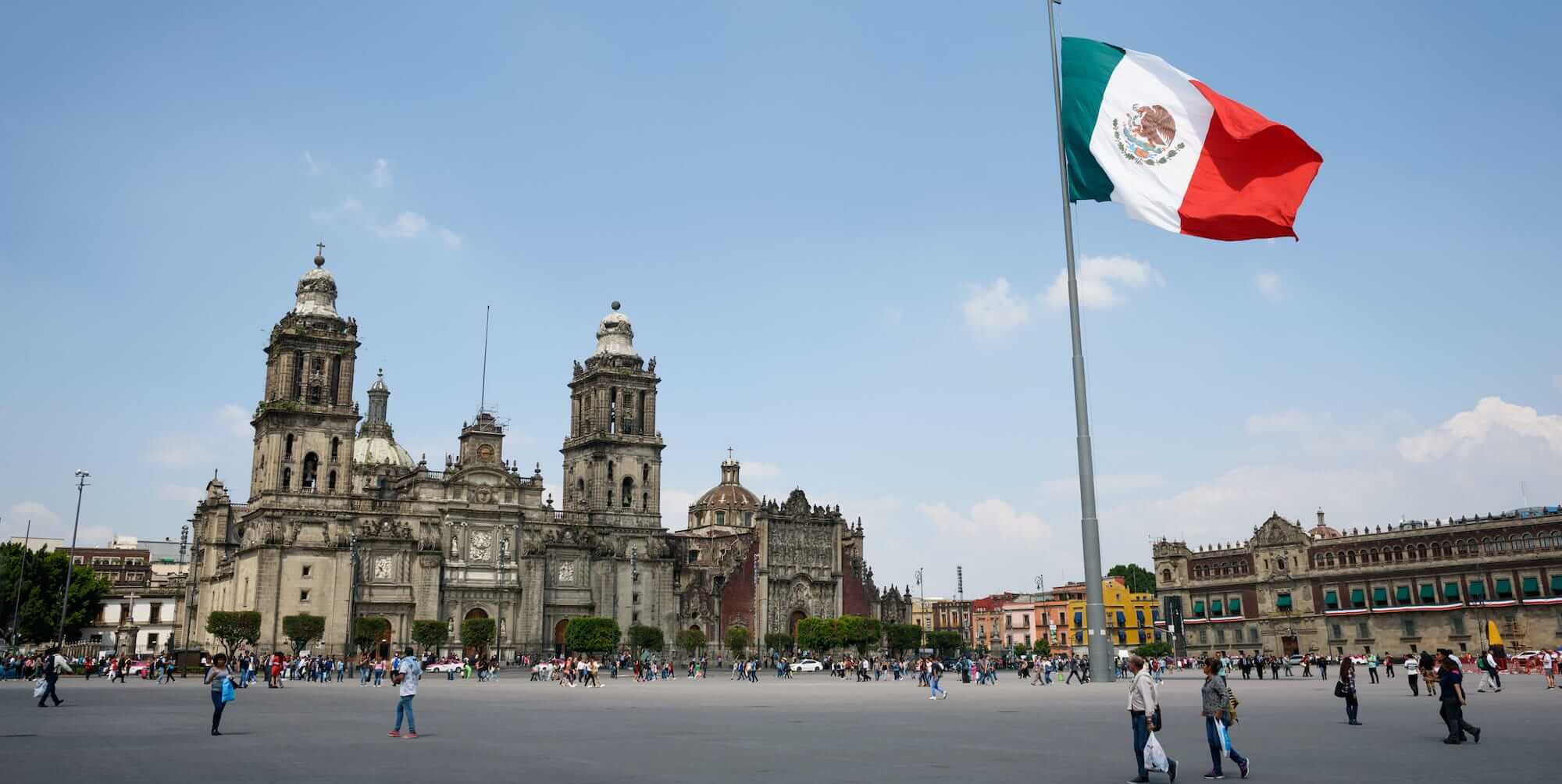
Your hotel choice shapes your daily rhythm. The Centro Histórico places you at the intersection of colonial-era markets, heritage fondas, and street food vendors who have occupied the same corners for decades. You'll be within walking distance of Mercado de San Juan, the sweetshop La Dulcería de Celaya (open since 1874), and taco stands that serve suadero until the small hours.

Roma and Condesa offer a different experience: tree-lined streets, contemporary restaurants alongside traditional fondas, and a concentration of mezcalerías. The neighborhoods feel more polished than Centro, but they're not without their own traditions. Fonda Margarita in Roma Norte has served breakfast from coal-fired grills since the early morning hours for generations. Beatricita in Zona Rosa has been preparing tacos de guisado using the same recipes for nearly 110 years.

For travelers focused on food, Centro Histórico often makes the strongest base. Its density of culinary heritage and the morning market rhythms pull you into the city's food culture from the moment you step outside.

What to Eat During a Multi-Day Culinary Trip

Mexico City's culinary traditions span pre-Hispanic ingredients, colonial techniques, regional migrations, and contemporary reinterpretations. A multi-day culinary trip allows you to taste across these categories rather than sampling only the most visible options.

Tacos Beyond the Basics

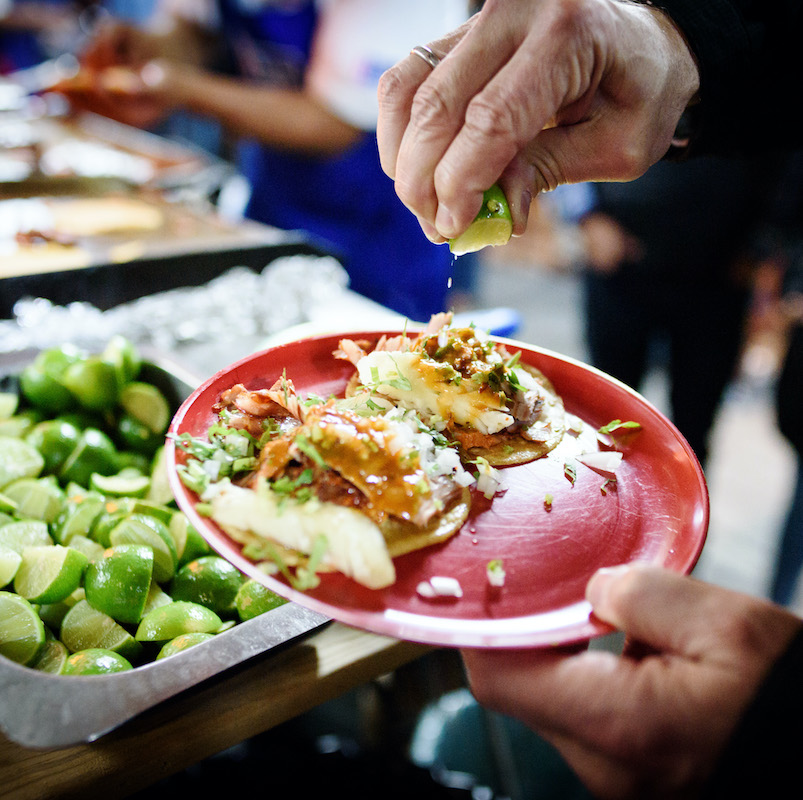
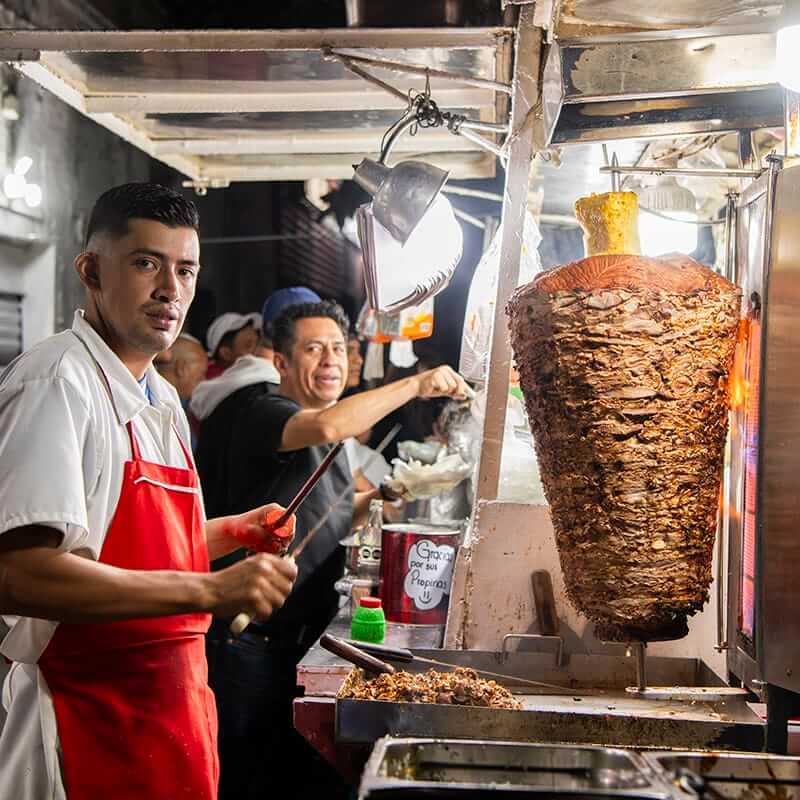
Tacos al pastor and suadero dominate the street food scene, but the city offers far more variety. Tacos de guisado feature home-style stewed meats and vegetables displayed in clay cazuelas. Tacos de canasta (basket tacos) are steamed and sold from bicycle vendors who circulate through neighborhoods. Flour tortilla tacos at La Tonina in San Rafael reflect the northern Mexican roots of the founding family.

The depth of taco culture means you could eat tacos at every meal for a week and still find new preparations. The key is asking locals and guides where they eat, not where they send visitors.

Mole and Regional Specialties

Mole represents colonial-era fusion: pre-Hispanic chilies and chocolate combined with Spanish spices and techniques. The sauce appears in countless variations across Mexico, and Mexico City's restaurants serve versions from Oaxaca, Puebla, and other states.

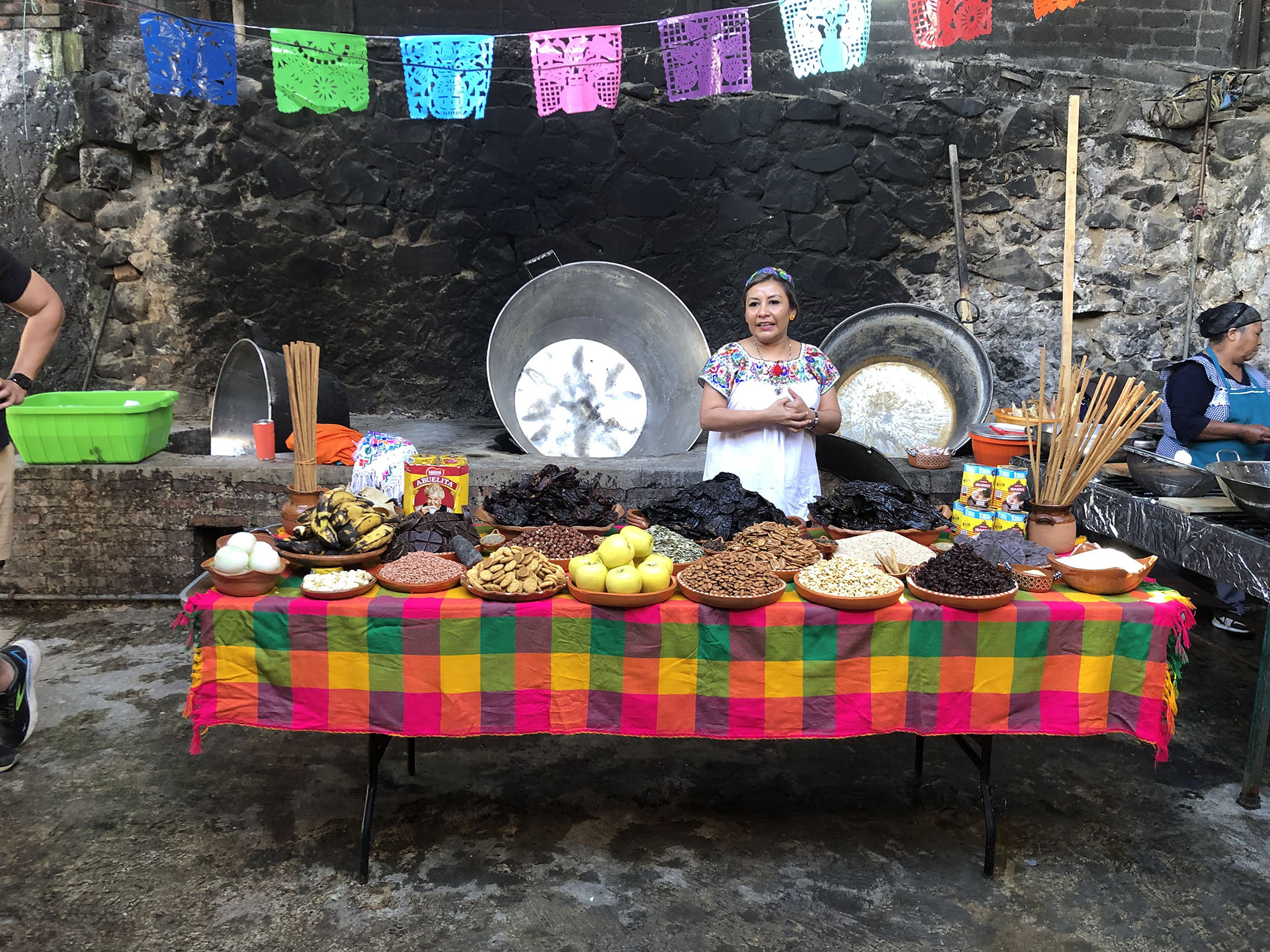
Learning to make mole from scratch, as offered on multi-day culinary trips with Culinary Backstreets in Milpa Alta, reveals the complexity behind the dish. The 101 ingredients traditionally used, the hours of preparation, and the family recipes passed through generations all become visible when you participate rather than simply order.

Chocolate and Cacao Traditions

Chocolate originated in Mesoamerica, and Mexico City preserves drinking traditions that predate European contact. Chocolate Macondo in Centro Histórico specializes in ancient preparations of cacao, with recipes drawn from the Florentine Codex, a 16th-century manuscript documenting Mesoamerican culture.

Beyond drinking chocolate, the city's bakeries and dulcerías stock pan dulce, traditional sweets, and regional pastries that reflect centuries of colonial and indigenous influence.

Mezcal and Pulque

Mezcal has surged in popularity, and Mexico City's mezcalerías stock bottles from small-batch producers across Oaxaca and other mezcal-producing states. Tasting through regional varieties and agave types offers an education in Mexican spirits that complements the food journey.

Pulque, the fermented sap of the maguey plant, predates mezcal by centuries and remains a living tradition in the city's pulquerías. The drink is an acquired taste, but visiting a pulquería connects you to pre-Hispanic drinking culture in a way that mezcal, with its more refined presentation, does not.

What to Know Before You Go

Practical considerations shape how you'll experience the city's food.

Altitude Adjustment

Mexico City sits at 7,350 feet (2,240 meters). The altitude can affect appetite, energy, and alcohol tolerance. Take the first day slowly, stay hydrated, and don't plan your most ambitious eating on day one.

Cash and Tipping

Street vendors, market stalls, and smaller fondas often operate on cash only. ATMs are widely available, but carry smaller bills for transactions where change may be limited. Tipping at restaurants follows norms similar to the United States.

Walking and Transportation

The best food neighborhoods are walkable, but distances between them can be significant. Metro lines cover much of the city affordably and efficiently. Rideshare apps work well for reaching neighborhoods like Azcapotzalco or Xochimilco that sit outside the central core.

Safety and Comfort

Well-traversed food areas in Centro, Roma, Condesa, and other central neighborhoods feel safe during the day and evening. Standard urban precautions apply: be aware of your surroundings, avoid displaying expensive items, and use rideshare rather than hailing cabs on the street.

Dietary Accommodations

Mexico City's food scene accommodates most dietary needs with advance notice. Many dishes are naturally vegetarian or can be modified. Gluten-free options exist, though corn dominates over wheat in traditional preparations. Culinary Backstreets accommodates vegetarian, pescatarian, and gluten-free travelers on Guided Walks with advance notice.
Our Four Mexico City Culinary Trips

No. 01

Layer by Layer: A Mexico City Culinary Adventure

Mexico City
~6 Days, 5 Nights 6–12 guests Mexico City From $3,750 per person

A six-day journey through Mexico City’s diverse food culture, exploring vibrant markets, street food, traditional restaurants, local homes, and contemporary Mexican dining. You’ll taste tacos al pastor, mole, mezcal, and seasonal produce while discovering the city’s Aztec and colonial roots, floating farms, art, and neighborhoods. The trip combines iconic Mexican flavors with intimate experiences that reveal the people and traditions behind the city’s evolving culinary scene.

Includes All food and tastings, all accommodations throughout the trip, professional guides, and all activities.
Best For First-time visitors who want a wide-angle introduction to Mexico City’s food culture, with a mix of street food, traditional cooking, markets, and local experiences.
No. 02

Day of the Dead: A Mexico City Culinary Adventure

Mexico City
~6 Days, 5 Nights 6–12 guests Mexico City From $4,350 per person

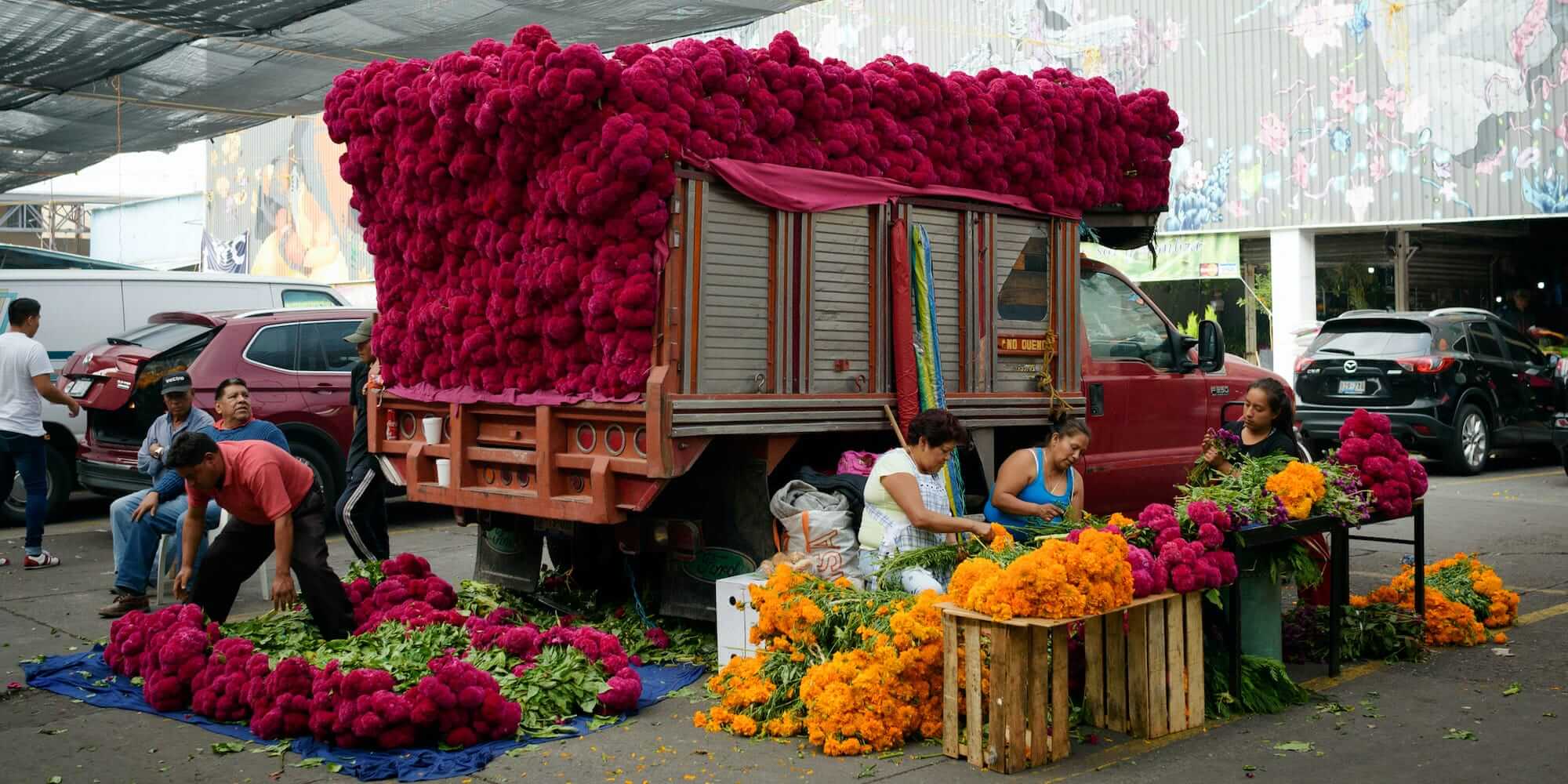
A six-day journey through Mexico City during Día de los Muertos, exploring the city's vibrant food culture alongside one of its most meaningful celebrations. You’ll experience traditional foods, bustling markets, floating farms, family altars, and cemetery rituals while discovering the Aztec, colonial, and contemporary influences that shape the city. From seasonal street food to local celebrations, the trip offers an intimate look at Mexico City during one of its most magical times.

Includes All food and tastings, all accommodations throughout the trip, professional guides, and all activities.
Best For Travelers who want to experience Mexico City during Día de los Muertos, combining its food, history, traditions, and colorful celebrations.
No. 03

Dan Pashman's Mysteries of Mexico City Tour

Mexico City
~6 Days, 5 Nights 8–12 guests Mexico City From $4,500 per person

A six-day culinary journey through Mexico City centered on two icons of Mexican cuisine: mole and tacos al pastor. You’ll explore bustling markets, learn mole-making from local experts, visit traditional homes, embark on an epic al pastor crawl, and meet the people behind the city’s food culture. Along the way, you’ll discover how migration, regional traditions, and culinary creativity have shaped Mexico City’s cuisine.

Includes All food and tastings, all accommodations throughout the trip, professional guides, and all activities.
Best For Food lovers who want to dive deep into Mexican cuisine through its ingredients, traditions, and the stories behind two of the country’s most iconic dishes.
No. 04

Milk Street on the Road: Mexico City

Mexico City
~8 Days, 7 Nights 8–12 guests Mexico City From $5,000 per person

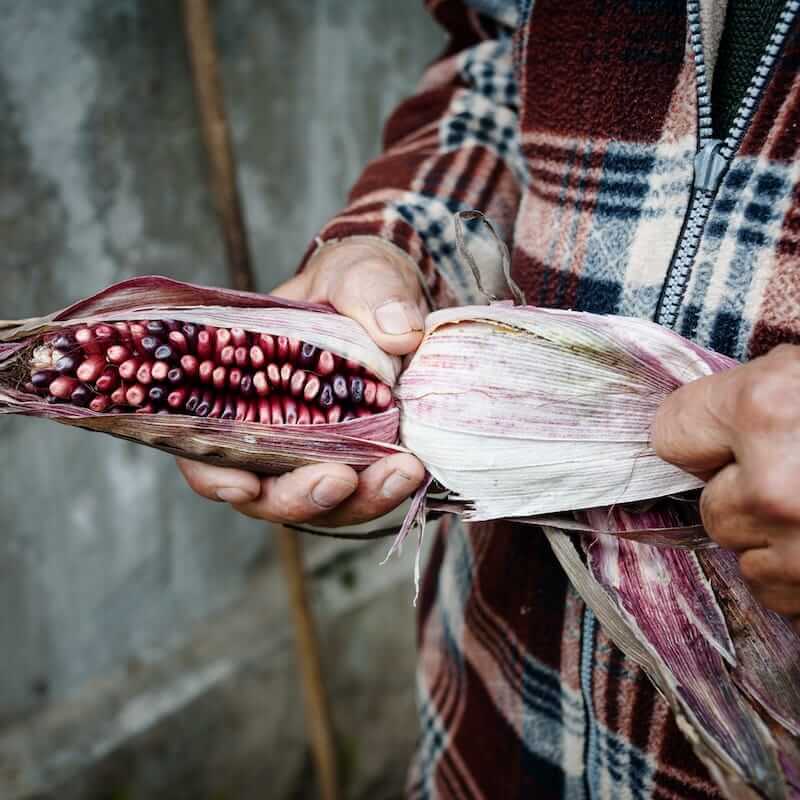
A weeklong culinary journey through Mexico City, combining traditional cooking, local markets, family recipes, and hands-on experiences. You’ll cook birria, cochinita pibil, mole, and beans, explore the importance of corn, visit family-run farms in Milpa Alta and Xochimilco, and discover everything from neighborhood taco stands to bustling markets.

Includes All food and tastings, all accommodations throughout the trip, professional guides, and all activities.
Best For Hands-on cooks who want to learn Mexican culinary traditions through cooking, markets, farms, and family recipes.

Quick Comparison: All Four Mexico City Culinary Trips

Every Culinary Backstreets Mexico City Culinary Trip at a glance — duration, group size, starting price, and who each trip suits best.

Tour City Duration Size price best for
Layer by Layer: A Mexico City Culinary Adventure Mexico City ~6 Days, 5 Nights 6-12 $3,750 First-time visitors
Day of the Dead: A Mexico City Culinary Adventure Mexico City ~6 Days, 5 Nights 6-12 $4,350 Culture seekers
Dan Pashman's Mysteries of Mexico City Tour Mexico City ~6 Days, 5 Nights 8-12 $4,500 Food enthusiasts
Milk Street on the Road: Mexico City Mexico City ~8 Days, 7 Nights 8-12 $5,000 Hands-on cooks

How to Choose Your Mexico City Culinary Trip

If it’s your first time in Mexico City

Take Layer by Layer: A Mexico City Culinary Adventure. It offers the widest introduction to the city’s food culture, combining markets, street food, traditional cooking, local homes, farms, and contemporary Mexican cuisine.

If you want to experience Día de los Muertos

Take Day of the Dead: A Mexico City Culinary Adventure. It combines Mexico City’s food culture with parades, family traditions, altars, cemetery rituals, and the deeply meaningful customs surrounding the holiday.

If you want to go deep on Mexican food

Take Dan Pashman's Mysteries of Mexico City Tour. It focuses on two iconic Mexican dishes, exploring their history, ingredients, regional variations, and the people who keep these traditions alive.

If you want to cook and learn

Take Milk Street on the Road: Mexico City. It offers hands-on cooking, farm visits, market explorations, and family recipes while exploring the history and traditions behind Mexican cuisine.

What Makes a Culinary Backstreets Mexico City Culinary Trip Different

There are dozens of culinary trip operators in Mexico City. Most of them are perfectly fine. A few are excellent. Here is honestly where we sit, and why we recommend our trips for travelers who want a particular kind of experience.

01

We keep our groups small

Most culinary trips to Mexico City bring together 10 to 16 guests, while ours run with six to twelve. This is one of the smallest group sizes in the culinary trip industry, and it is the reason we can take you into places that wouldn't seat a larger party — a family-run kitchen, a neighborhood market stall, a small taquería, or a local home.

02

We do not accept free meals or commissions

Most trip companies accept free meals from the restaurants they visit. Others earn commissions for bringing guests through the door. Culinary Backstreets does not accept free meals or any commissions, ensuring that honest tourism remains the foundation of every experience.

03

Our Trip Leaders are professionals

Food journalists, chefs, and longtime neighborhood residents lead our trips, sharing firsthand knowledge and personal stories rather than following a scripted tour. Our Trip leaders bring years of relationships with the cooks, vendors, and artisans you'll meet.

04

We support local communities

At Culinary Backstreets, we focus our tours, trips, and city guides on small, independent, family-run establishments rather than tourist-heavy venues. In Mexico City, that means supporting neighborhood taquerías, traditional markets, family-run restaurants, local producers, and artisans who keep the city’s culinary traditions alive.

Mexico City Culinary Trips FAQs

Which Mexico City Culinary Trip is best for first-time visitors?

Layer by Layer: A Mexico City Culinary Adventure is the best choice for first-time visitors. It offers a broad introduction to the city’s food culture, combining markets, street food, traditional cooking, local homes, and contemporary Mexican cuisine while exploring the history and neighborhoods that shape the city.

Can I book a private room for the trip?

Yes. Single accommodations are available for an additional $750-$1,000, depending on the Trip. The supplement is due with the final payment. As well, a $500 non-refundable deposit per traveler is required to secure space on the Trip whcih is due 90 days prior to the start of the Trip.

Can the Mexico City Culinary Trips accommodate dietary restrictions?

We encourage an adventurous palate! We do our best to accommodate dietary restrictions, but ingredients often cannot be substituted or omitted from individual dishes. If you have a food allergy or intolerance, we recommend contacting us before booking to determine whether the Culinary Trip is suitable for you.

What is not included in the trip price?

Flights and transportation to and from Mexico City, including airport transfers, are not included. Food and drinks outside the planned Culinary Backstreets activities, personal expenses, applicable visa costs, and travel insurance are also excluded.

What is the cancellation policy for Mexico City Culinary Trips?

You can cancel 90 days or more before the trip for a full refund minus the $500 per-person service fee. Cancellations 60–89 days before the trip incur a 50% cancellation fee, while cancellations within 30 days are subject to a 100% cancellation fee. Travel insurance is strongly recommended.