How to Plan a Week-Long Italy Culinary Trip in 2026

Plan your one-week Italy Culinary Trip by region with practical routing, seasonal dishes, and local culinary traditions from Emilia-Romagna to Sicily.

Last Updated: August 2026

Italy's culinary landscape unfolds region by region, each territory fiercely proud of its own ingredients, techniques, and traditions. With seven days and the right approach, you can move from the butter-rich pastas of the north to the olive-oil-kissed plates of the south, connecting cities and countryside through high-speed rail, winding roads, and countless plates along the way.

Why Plan Your Italy Culinary Trip by Region?

Italian cuisine has no single center. Bologna claims tortellini and mortadella. Naples defends its pizza. Sicily wraps its history into arancini and cassata. Trying to taste "all of Italy" in one week means tasting none of it properly.

Regional planning respects how Italians themselves eat. A Piedmontese family does not serve Neapolitan ragù. A Roman trattoria does not offer Ligurian pesto. When you commit to a region, you commit to its particular rhythms: the morning market vendors, the afternoon espresso rituals, the evening aperitivo traditions.

The most satisfying week-long itineraries connect two or three regions that share borders or convenient train routes. This way, travel time becomes part of the experience rather than a loss of it. The landscape changes outside your window, and so do the plates waiting at your destination.

What Are the Best Regions for a Week-Long Italy Culinary Trip?

Your choice of region shapes everything: the wines you drink, the pasta shapes you encounter, the rhythm of meals, and the landscapes between them. Here are the routes that reward week-long exploration.

Emilia-Romagna: Italy's Culinary Heartland

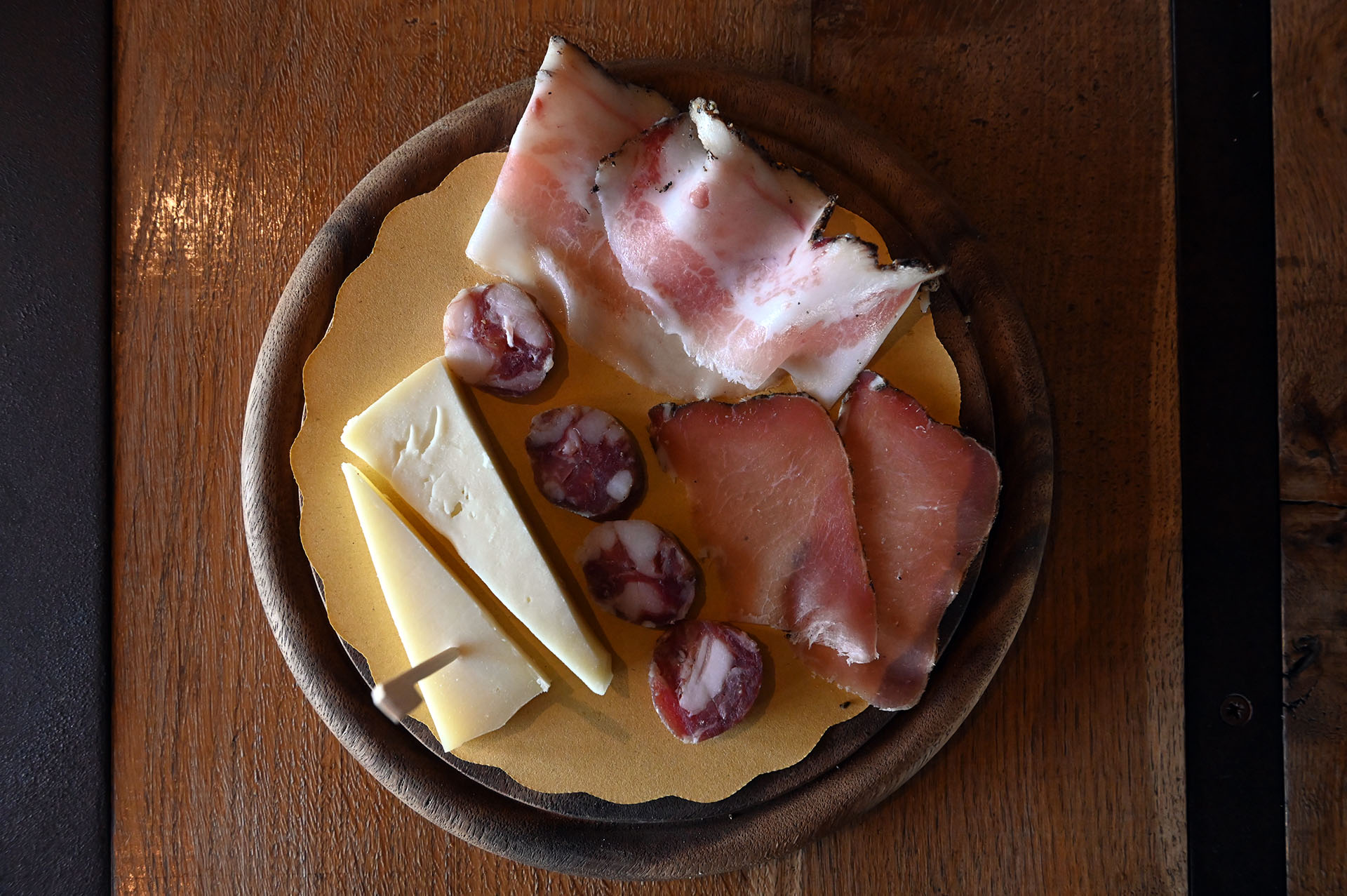
Between Bologna, Modena, and Parma lies a concentration of protected ingredients unmatched anywhere else in Italy. Parmigiano-Reggiano wheels age in vast warehouses. Prosciutto di Parma hangs in temperature-controlled rooms for years. Traditional balsamic vinegar matures in attic barrels for decades.

A week here allows time to visit the producers behind these ingredients, not just taste them. You can watch the morning milk delivery at a cheese dairy, stand in an acetaia (vinegar attic) as the maker explains the solera system, and end your day tucking into tortellini in brodo at a neighborhood trattoria where the same family has rolled pasta for generations.

Bologna's covered markets and porticoed streets reward wandering. Day Trips to Modena bring visits to aged balsamic producers and the city's traditional osterie. Parma offers both the cured meats that bear its name and some of northern Italy's finest table traditions.

Tuscany and Umbria: Wine Country and Hilltown Cooking

The rolling hills between Florence and Perugia hold centuries of culinary tradition in their small towns and family estates. This is Chianti country, Brunello territory, and the land of ribollita, panzanella, and bistecca alla fiorentina.

A week divided between Tuscany and neighboring Umbria balances famous sites with quieter discoveries. Florence's Mercato Centrale and Sant'Ambrogio market anchor your urban days. The Chianti hills between Florence and Siena offer vineyard lunches and olive oil tastings. Umbria's Montefalco produces Sagrantino, a bold red that pairs with the region's black truffles and roasted meats.

San Gimignano's medieval towers draw crowds, but the town also produces saffron and Vernaccia wine. Orvieto sits above volcanic cliffs, its underground cellars carved into the tufa stone. These smaller destinations balance the busier Tuscan stops and offer some of the region's most memorable meals.

Naples, Campania, and the Amalfi Coast

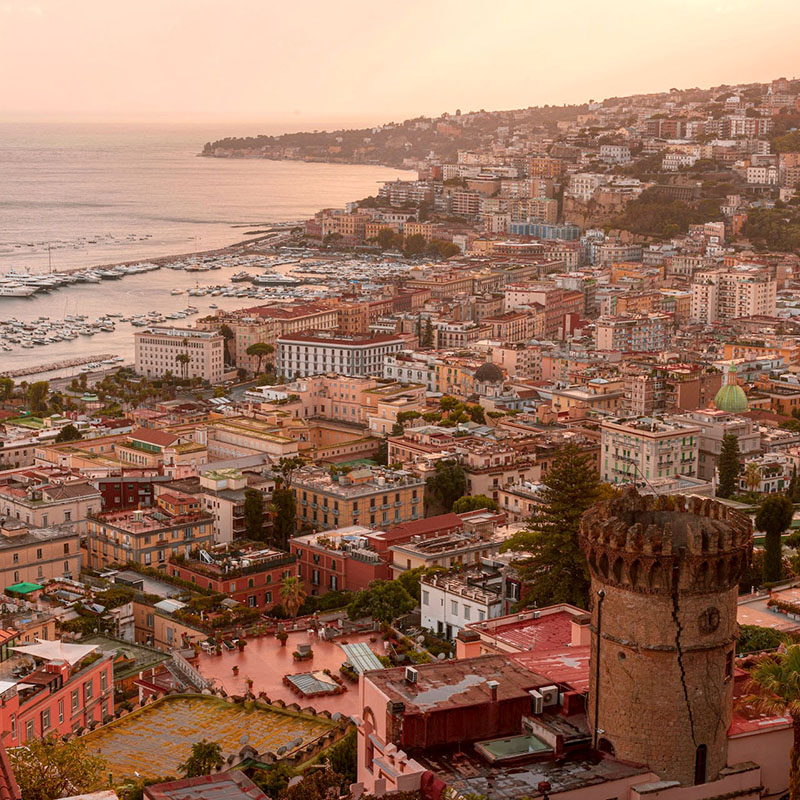
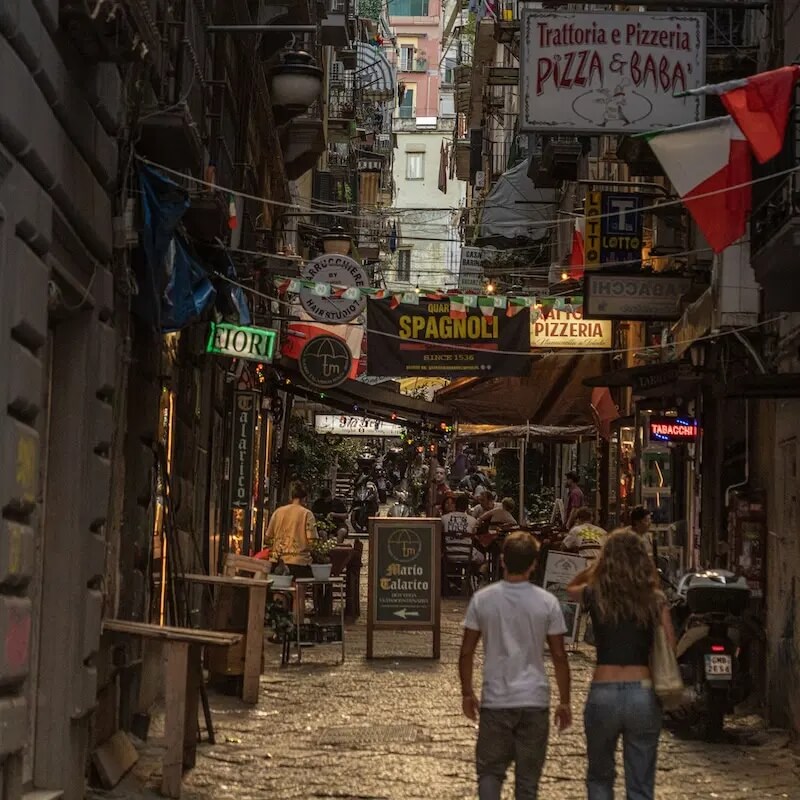
Southern Italy's intensity concentrates in Naples, a city where pizza was born and where street food vendors still serve fried dough and seafood from morning until late at night. The surrounding Campania region extends this tradition along the coast and into volcanic hillsides.

Naples rewards a minimum of three days. The historic center's narrow streets hold pizzerias that have baked in the same ovens for generations. The Vomero and Spanish Quarter neighborhoods offer different perspectives on the city's food culture. Culinary Backstreets' Naples Walks take you into the trattorias and pastry shops that locals rely on, places where sfogliatella and ragù are prepared according to recipes passed down through families.

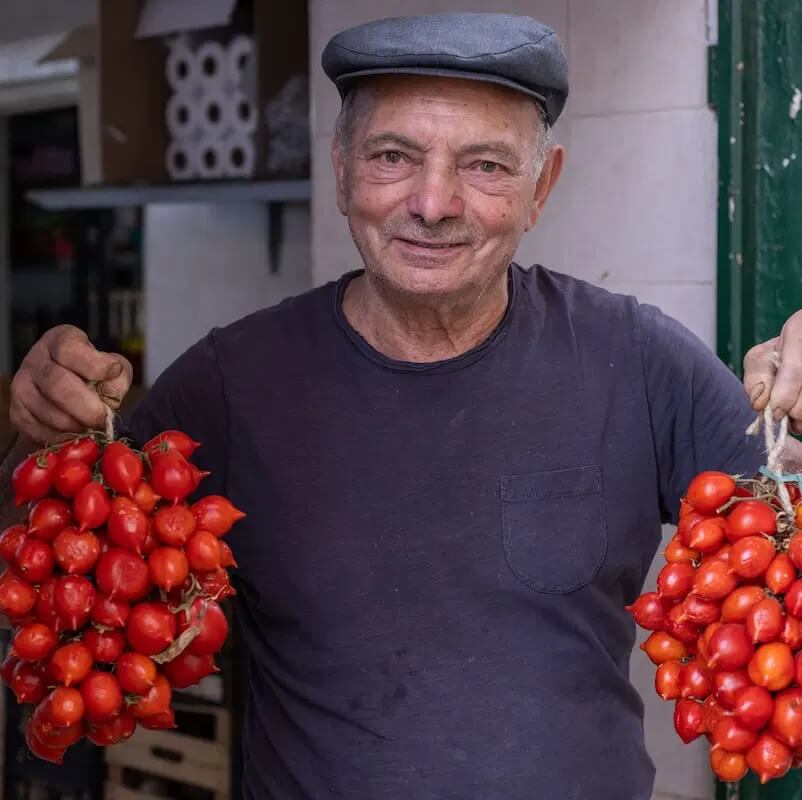
From Naples, the Amalfi Coast curves south through lemon groves and fishing villages. Sorrento makes a practical base for day trips. Pompeii and Mount Vesuvius add historical depth to your culinary journey. The volcanic soil that destroyed the ancient city also produces the San Marzano tomatoes and Lacryma Christi wines that define the region's cooking.

Sicily: Island of Crossroads and Contrasts

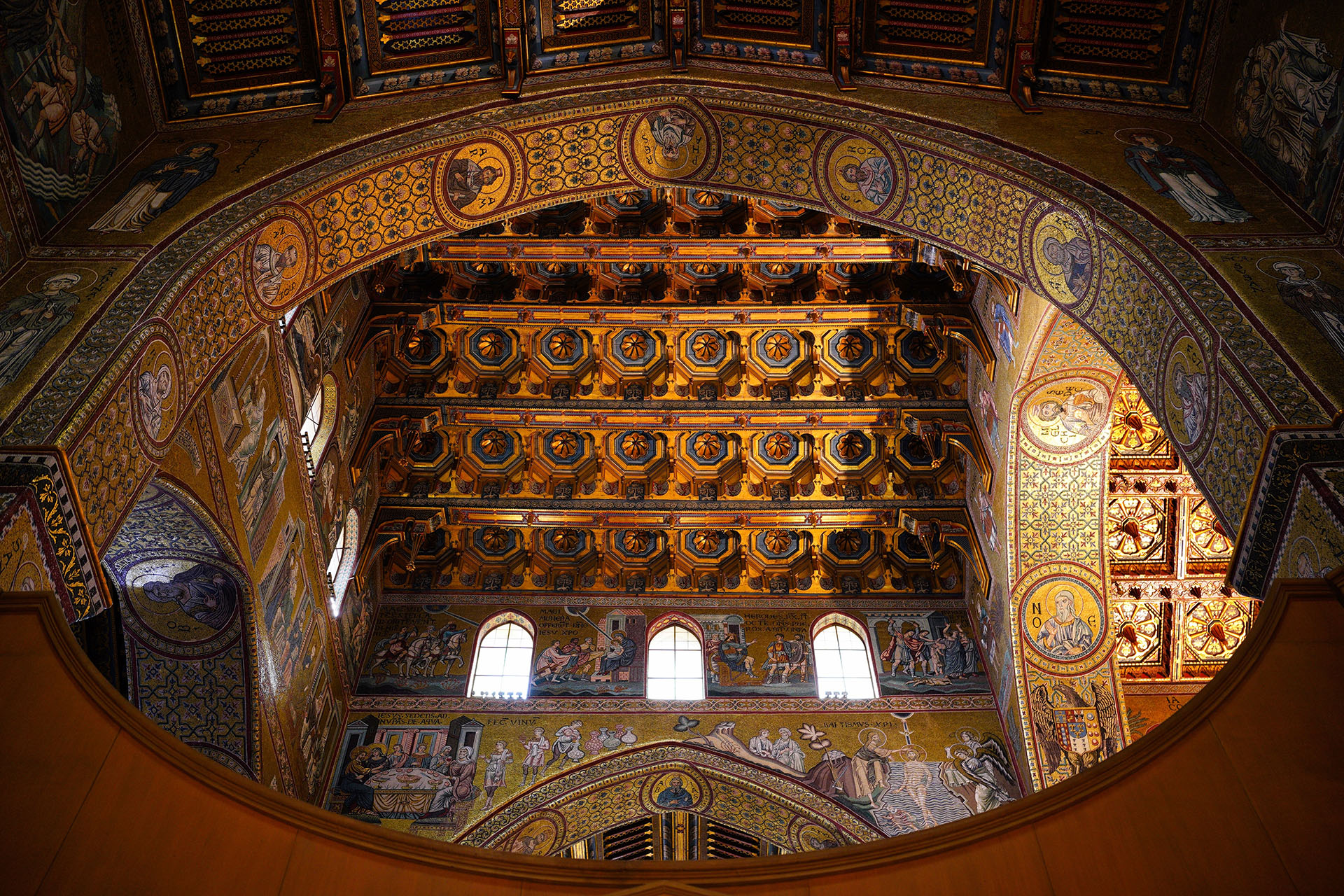
Sicily's food reflects its history as a crossroads of Mediterranean civilizations. Arab influences show in the couscous of Trapani, Greek heritage in the fish preparations of Syracuse, Spanish rule in the baroque sweets of Noto. A week on the island moves between these influences, each town revealing another layer.

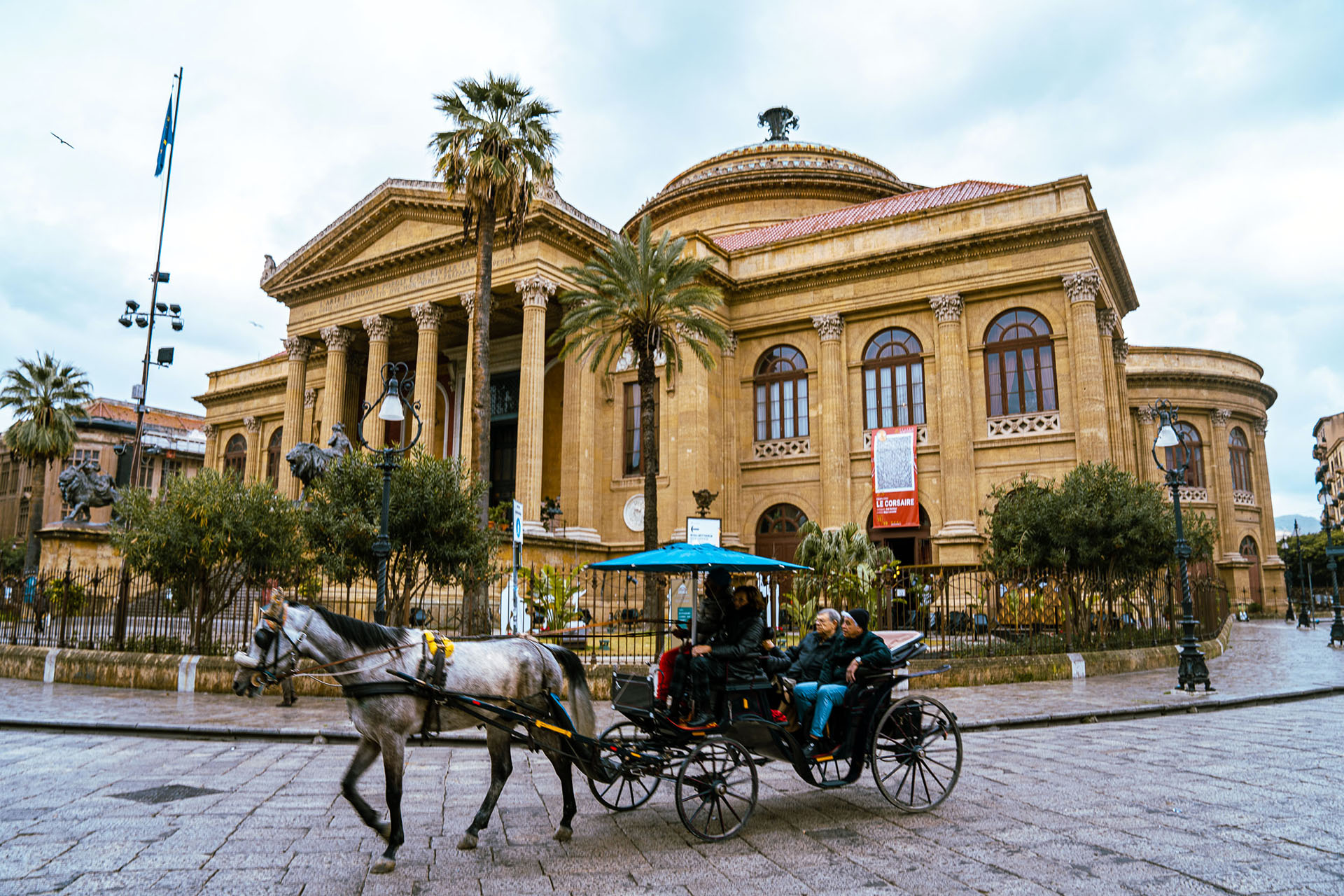
Palermo's street food traditions fill the Vucciria and Ballarò markets with vendors selling arancini, panelle (chickpea fritters), and stigghiola (grilled intestines). The city's pasticcerie serve cassata and cannoli that taste nothing like their mainland imitations. From Palermo, the western coast leads to Marsala's fortified wine producers and Trapani's couscous festivals.

The eastern side of the island offers different pleasures. Catania sits in Etna's shadow, its fish market one of Italy's most theatrical. The volcanic slopes above produce distinctive wines from indigenous grapes. Taormina, perched above the sea, serves as a base for exploring both the mountain and the coast.

When Is the Best Time to Visit Italy for a Culinary Trip?

Seasonal eating remains central to Italian food culture. Markets, menus, and entire festivals revolve around what the land produces each month. Planning your Culinary Trip around these rhythms connects you to traditions that extend far beyond any single restaurant.

Spring (March through May): Artichokes, Asparagus, and Quiet Markets

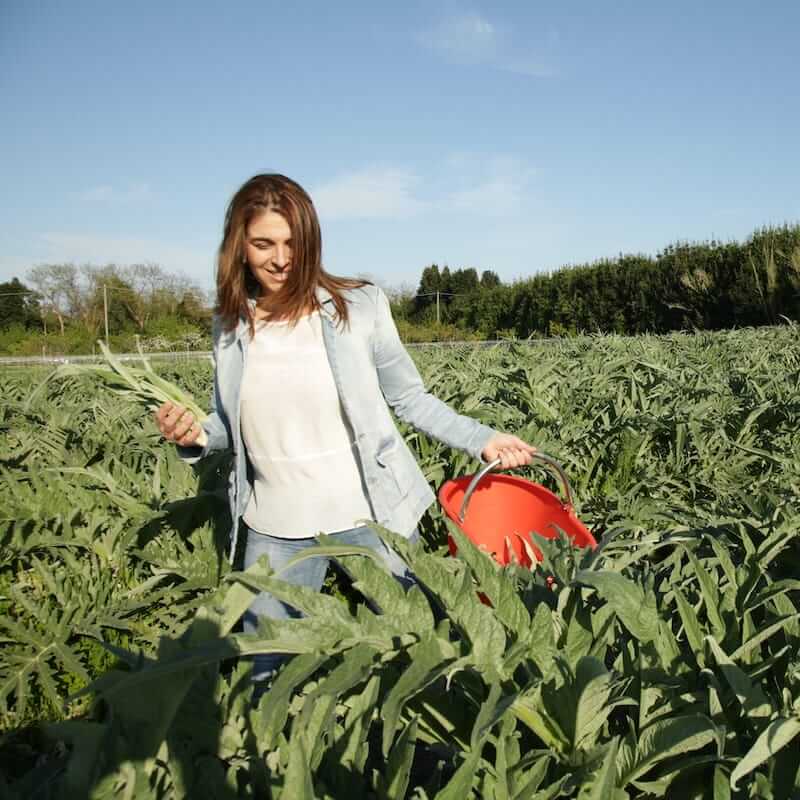
Spring brings some of Italy's most celebrated vegetables. Roman artichokes (carciofi alla giudia) reach their peak in April. Asparagus, both green and white, fills northern markets in May. Fava beans appear alongside pecorino cheese, a pairing that Romans consider essential to the season.

This is also the shoulder season before summer crowds arrive. Markets move at a gentler pace. Winemakers have time for longer conversations in their cellars. Restaurant reservations come easier. The countryside blooms with wildflowers, and outdoor dining becomes comfortable again after winter.

Summer (June through August): Tomatoes, Stone Fruits, and Coastal Traditions

High summer concentrates flavor in tomatoes, peppers, and eggplants. August caprese salads taste nothing like their winter versions. Stone fruits fill market stalls. Gelato reaches its seasonal peak. Coastal regions come alive with seafood festivals and outdoor dining that stretches late into warm evenings.

The heat shapes how Italians eat: lighter lunches, later dinners, more raw preparations, and plenty of chilled wines. Southern regions especially embrace the season's abundance. Sicily's caponata and Campania's parmigiana di melanzane showcase eggplant at its finest. Liguria's basil perfumes pesto that tastes of summer itself.

Be prepared for August closures, particularly in cities. Many family-run establishments take their own vacations during Ferragosto (August 15). Coastal and resort areas stay busy, while some urban neighborhoods quiet considerably.

Autumn (September through November): Harvest Season and Truffle Hunts

Autumn is Italy's most celebrated food season. Grape harvest transforms wine country into a working landscape of pickers, tractors, and fermenting cellars. Truffle season begins in Piedmont and Umbria. Porcini mushrooms appear in markets and menus across the north. Chestnuts roast on street corners as temperatures cool.

This is the richest time for Culinary Travel, but also the busiest in food-focused regions. Alba's white truffle fair draws visitors from around the world. Tuscan wine estates fill with harvest tourists. Planning ahead becomes essential, particularly for accommodations near major food events.

The rewards justify the effort. September and October offer the year's most diverse produce, comfortable temperatures for walking, and the festive energy of communities celebrating their harvests. Wines taste different when you stand among the vines they came from during vendemmia.

Winter (December through March): Cellar Tastings and Hearty Traditions

Winter strips Italian food tourism to its essentials. Crowds thin. Prices drop. Winemakers who rush through summer tastings now have hours to spend in their cellars, pulling samples from barrels and explaining the nuances of their craft.

This is the season of brasato al Barolo, of bollito misto, of warming dishes that taste best when snow dusts the hills outside. Citrus reaches its peak in Sicily, where blood oranges brighten the gray months. Holiday sweets fill pastry cases: panettone in Milan, torrone in the south, struffoli in Naples.

Some producers and restaurants close for extended periods, particularly in January. But those who remain open often offer experiences unavailable during busier months. Winter travel requires more research but delivers more intimacy.
Our Seven Italian Culinary Trips

No. 01

Dan Pashman’s Pasta Pilgrimage

Rome & Puglia
~6 Days, 5 Nights 8-12 guests Rome & Puglia From $6,500 per person

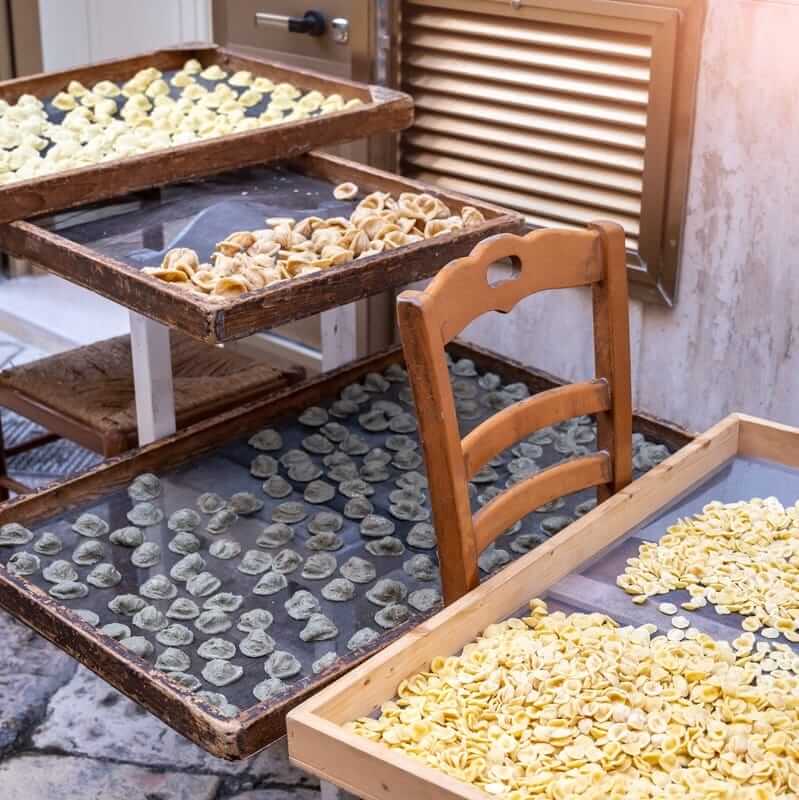
A six-day pasta-focused journey from Rome to Puglia, exploring Italy’s rich pasta traditions alongside the new ideas and evolving dishes shaping its culinary culture. You’ll dine at Roman institutions, meet Bari’s famous “orecchiette ladies,” search for the city’s best spaghetti all’assassina with Dan Pashman, and cook regional classics with a local chef in Lecce. The trip combines iconic pasta dishes with intimate, hands-on experiences that reveal the people, stories, and traditions behind one of Italy’s most beloved foods.

Includes Five breakfasts, three lunches, and four dinners, all accommodations throughout the trip, professional guides, and all activities.
Best For Pasta lovers and curious food travelers who want to explore both Italy’s time-honored pasta traditions and the creative ideas pushing this iconic cuisine in new directions.
No. 02

Milk Street on the Road: The Islands of Venice

The Islands of Venice
~8 Days, 7 Nights 10-12 guests The Islands of Venice From $7,000 per person

An eight-day culinary trip through seven of the Venetian Lagoon’s lesser-known islands, exploring the local food traditions and communities that exist beyond central Venice. You’ll visit vegetable farms, fishing communities, meet artisans preserving the lagoon’s culinary heritage, and cook with seasonal ingredients such as Sant’Erasmo’s famous purple artichokes, fresh seafood and local produce. The trip reveals a quieter, more authentic side of Venice through food, history and island life.

Includes All food and tastings, all accommodations throughout the trip, private airport pick-up in your private boat, professional guides, and all activities.
Best For Travelers who want to experience Venice beyond the major sights and discover the food, people and traditions of the Venetian Lagoon.
No. 03

Pizza Pilgrimage to Naples with Scott Wiener

Naples
~7 Days, 6 Nights 8-12 guests Naples From $5,500 per person

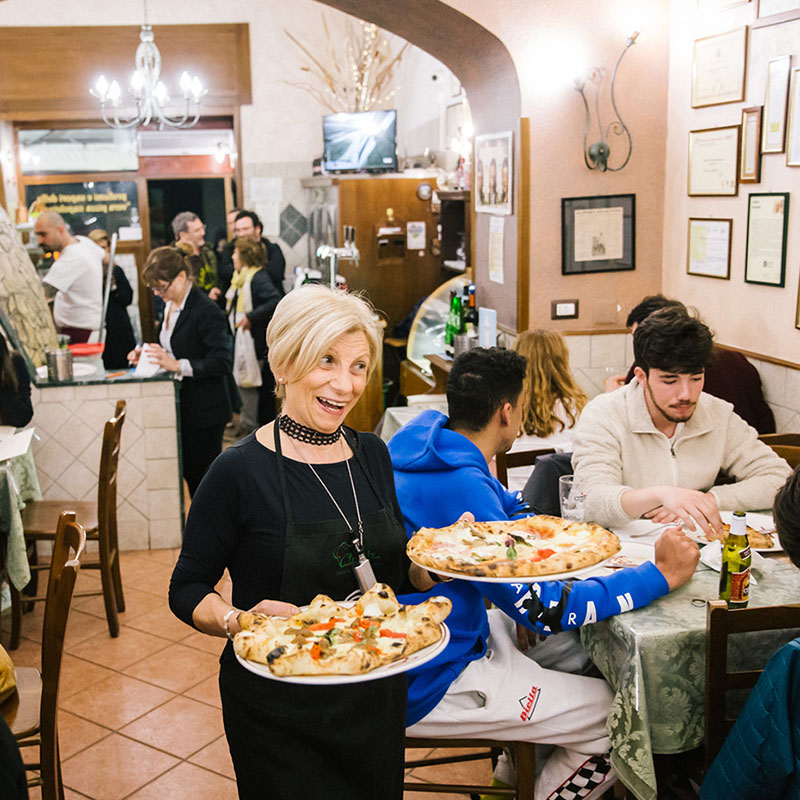
A week-long culinary trip through Naples exploring the history, craft and culture of Neapolitan pizza with pizza expert Scott Wiener. You’ll taste classic pizzas in their many forms, meet the pizzaioli who keep the tradition alive, learn pizza-making techniques, and visit local producers of key ingredients, including olive oil and flour. Between pizza stops, you’ll discover Naples’ artistic treasures, artisan workshops, music and other beloved local foods, gaining an insider’s understanding of the city’s iconic pizza culture.

Includes All food and tastings, all accommodations throughout the trip, professional guides, and all activities.
Best For Pizza lovers and food travelers who want to explore the traditions, techniques and people behind authentic Neapolitan pizza in its birthplace.
No. 04

Milk Street on the Road: Sardinia

Sardinia
~7 Days, 6 Nights 8-12 guests Sardinia From $6,750 per person

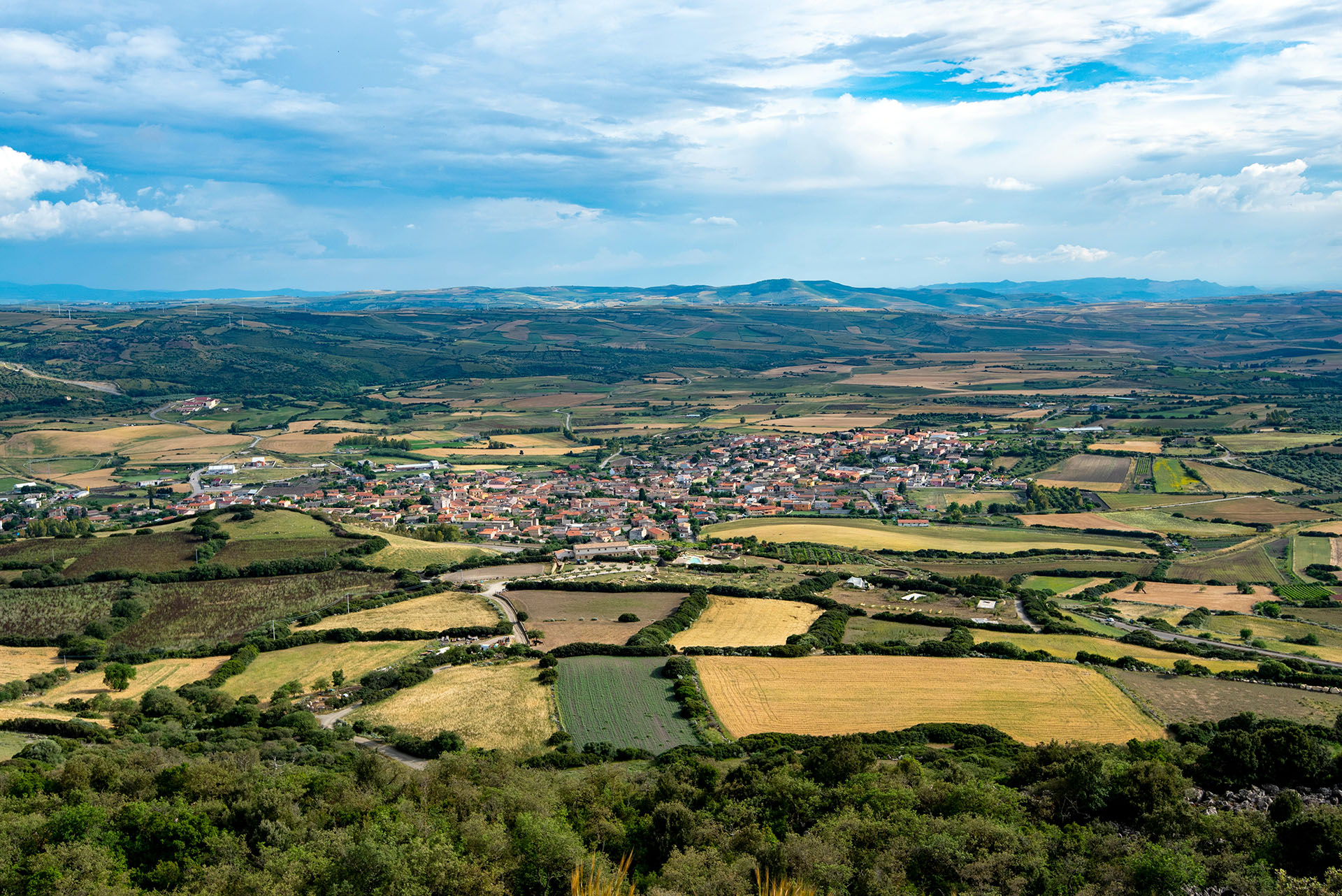
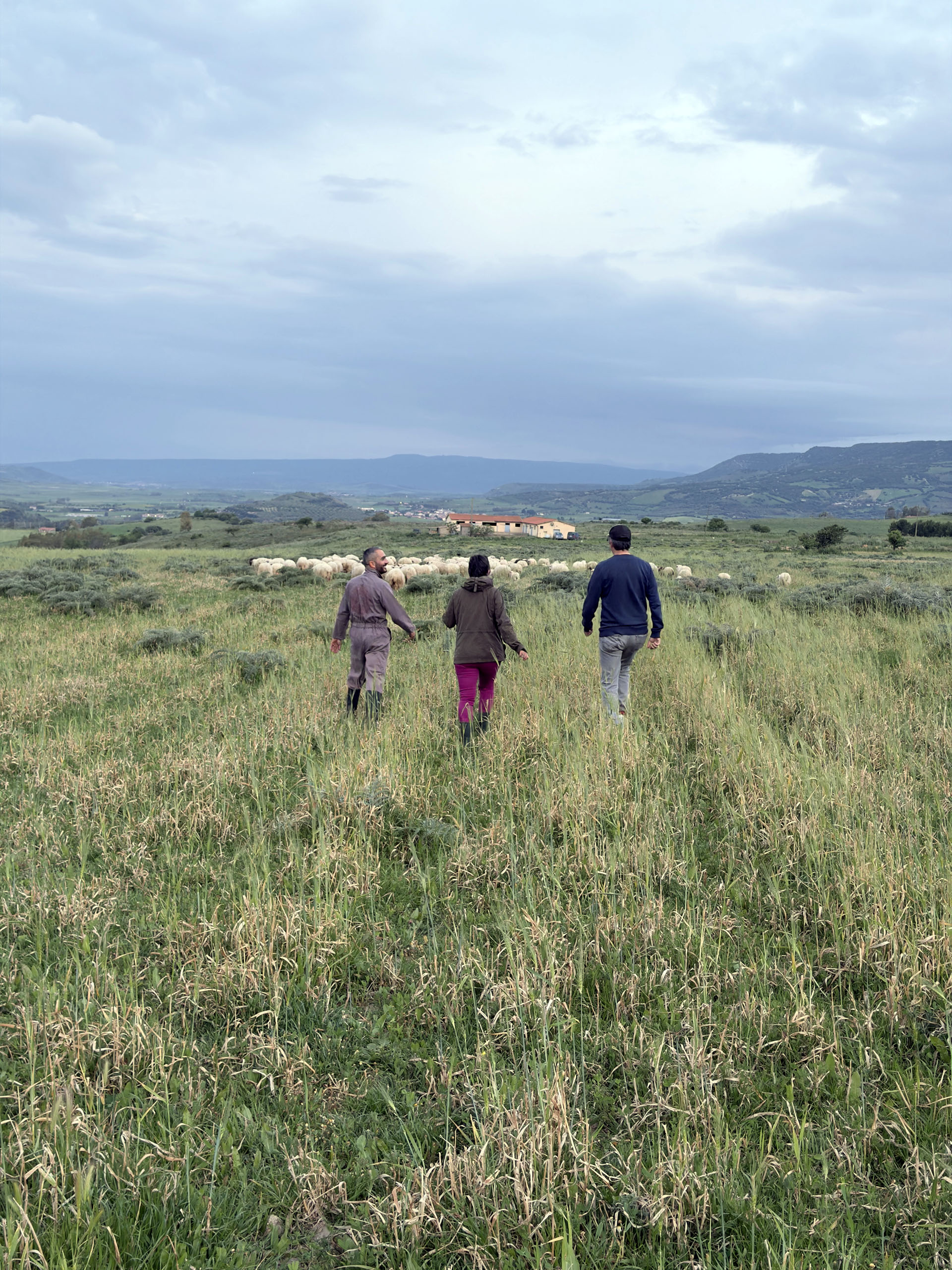
A culinary trip into the mountains of southern Sardinia, exploring the island’s deeply rooted food traditions and the outside influences that have shaped them over centuries. You’ll stay with a local family at their agriturismo, dairy and cooking school, milk sheep, make traditional cheeses and pasta, and cook with garden produce. The trip combines hands-on experiences with rural food traditions and contemporary interpretations, offering an intimate look at Sardinia’s evolving culinary culture.

Includes All food and tastings, all accommodations throughout the trip, private coach for visits across Sardinia, professional guides, and all activities.
Best For Travelers who want to experience Sardinia’s rural food culture through hands-on cooking, local producers and intimate encounters far beyond the island’s better-known destinations.
No. 05

Miraculous Naples: Pizza, Passion and Superstition

Naples
~7 Days, 6 Nights 6-12 guests Naples From $4,500 per person

A weeklong culinary and cultural journey through Naples, exploring the city’s vibrant food traditions, layered history and distinctive street life. You’ll taste everything from street food and Neapolitan pizza to coffee, aperitivos and lavish local feasts, while meeting culinary artisans, visiting specialty producers and learning to make pasta with a master pastaiolo. Beyond the table, you’ll discover hidden workshops, underground ossuaries, Baroque churches and Vesuvian archaeological sites, with an excursion into the surrounding countryside for local wines and seafood.

Includes All food and tastings, all accommodations throughout the trip, professional guides, and all activities.
Best For Travelers who want a deep introduction to Naples that goes beyond its famous food, combining local cuisine with history, culture, craftsmanship and the city’s vibrant everyday life.
No. 06

Sublime Sicily: From the City to the Sea

Sicily
~8 Days, 7 Nights 8-12 guests Sicily From $5,000 per person

A weeklong culinary trip through western Sicily, from Palermo to Marsala and Mazara del Vallo, exploring the island’s cuisine as a reflection of centuries of cultural exchange. You’ll visit family kitchens, farms, and fishing communities, while tasting Sicilian specialties shaped by Arab, Greek, Spanish and French influences. Along the way, you’ll make pasta in a farmhouse, meet cheesemakers and fishermen, visit anchovy producers and share couscous with local families, discovering how Sicily’s history, landscape and diverse cultures continue to shape its food.

Includes All food and tastings, all accommodations throughout the trip, private coach for visits inside and outside the center city, professional guides, and all activities.
Best For Travelers who want to explore Sicily through its food, landscapes and layered cultural history, with intimate experiences among local producers, fishermen, farmers and families.
No. 07

Milk Street Cooking Retreat: Emilia-Romagna with Viola Buitoni

Modena, Emilia-Romagna
~8 Days, 7 Nights 8-12 guests Modena, Emilia-Romagna From $7,500 per person

A weeklong culinary retreat in Emilia-Romagna, exploring the region’s celebrated food traditions, landscapes and small-scale producers at a relaxed pace. Hosted by cookbook author and cooking teacher Viola Buitoni, you’ll make pasta by hand, prepare multi-course feasts, visit local markets and producers, and discover the ingredients behind Parmigiano Reggiano and other regional specialties. Based at a private estate near Modena, the trip combines hands-on cooking with plenty of time to unwind.

Includes All food and tastings, all accommodations throughout the trip, private coach for visits inside and outside the center city, professional guides, and all activities.
Best For Travelers who want an immersive but relaxed Italian culinary trip centered on hands-on cooking, regional producers and the food traditions of Emilia-Romagna.

Quick Comparison: All Seven Italy Culinary Trips

Every Culinary Backstreets Italy Culinary Trip at a glance — duration, group size, starting price, and who each trip suits best.

Tour City Duration Size Price Best for
Dan Pashman’s Pasta Pilgrimage Rome & Puglia ~6 Days, 5 Nights 8-12 $6,500 Pasta Lovers
Milk Street on the Road: The Islands of Venice The Islands of Venice ~8 Days, 7 Nights 10–12 $7,000 Island Explorers
Pizza Pilgrimage to Naples with Scott Wiener Naples ~7 Days, 6 Nights 8-12 $5,500 Pizza Lovers
Milk Street on the Road: Sardinia Sardinia ~7 Days, 6 Nights 8-12 $6,750 Rural Italy
Miraculous Naples: Pizza, Passion and Superstition Naples ~7 Days, 6 Nights 6-12 $4,500 First-time visitors
Sublime Sicily: From the City to the Sea Sicily ~8 Days, 7 Nights 8-12 $5,000 Culture Seekers
Milk Street Cooking Retreat: Emilia-Romagna with Viola Buitoni Modena, Emilia-Romagna ~8 Days, 7 Nights 8-12 $7,500 Cooking Enthusiasts

How to Choose Your Italy Culinary Trip

If it’s your first time in Italy

Take Miraculous Naples: Pizza, Passion and Superstition. It combines Naples’ iconic food with ancient history, artisan traditions, archaeology, music and the vibrant street life that makes the city so distinctive.

If you’re passionate about pasta

Take Dan Pashman’s Pasta Pilgrimage. Follow Dan Pashman from Rome to Puglia, meeting pasta makers, visiting local institutions, cooking regional dishes and exploring both the traditions and innovations shaping Italian pasta.

If you want to explore Venice beyond the crowds

Take Milk Street on the Road: The Islands of Venice. Explore seven islands of the Venetian Lagoon, meeting local producers and artisans while discovering seasonal cooking far from central Venice.

If pizza is your reason for coming to Italy

Take Pizza Pilgrimage to Naples with Scott Wiener. Explore the birthplace of Neapolitan pizza with renowned pizza expert Scott Wiener, tasting different styles, meeting pizzaioli and visiting the producers behind the essential ingredients.

If you want a taste of rural Italy

Take Milk Street on the Road: Sardinia. Head into Sardinia’s southern mountains to stay with local producers, make cheese and pasta, and experience the island’s deeply rooted food traditions.

If you want to discover Sicily’s cultural layers

Take Sublime Sicily: From the City to the Sea. Travel from Palermo to western Sicily, exploring how Arab, Greek, Spanish and North African influences have shaped the island.

If you want a hands-on cooking retreat

Take Milk Street Cooking Retreat: Emilia-Romagna with Viola Buitoni. Spend a relaxed week cooking alongside Viola Buitoni, making fresh pasta and regional feasts while visiting markets and small-scale producers in one of Italy’s most celebrated food regions.

What Makes a Culinary Backstreets Italy Culinary Trip Different

There are dozens of culinary trip operators in Italy. Most of them are perfectly fine. A few are excellent. Here is honestly where we sit, and why we recommend our trips for travelers who want a particular kind of experience.

01

We keep our groups small

Most culinary trips in Italy run with 12 to 16 guests, while ours run with six to twelve. This is one of the smallest group sizes in the culinary trip industry, and it is the reason we can take you into places that wouldn't seat a larger party —a family-run kitchen, a neighborhood market stall, a small trattoria, or a local home along the way.

02

We do not accept free meals or commissions

Most tour/trip companies accept free meals from the restaurants they visit. Others earn commissions for bringing guests through the door. Culinary Backstreets does not accept free meals or any commissions, ensuring that honest tourism remains the foundation of every experience.

03

Our Trip Leaders are professionals

Food journalists, chefs, and longtime neighborhood residents lead our trips, sharing firsthand knowledge and personal stories rather than following a scripted tour. Our Trip Leaders bring years of relationships with the cooks, vendors, and artisans you'll meet.

04

We support local communities

At Culinary Backstreets, we focus our tours, trips, and city guides on small, independent, family-run establishments rather than tourist-heavy venues. In Italy, that means supporting neighborhood trattorias, traditional markets, family-run restaurants, local producers, and artisans who keep Italy’s rich culinary traditions alive.

Italy Culinary Trip FAQs

Which Italy Culinary Trip is best for first-time visitors?

Miraculous Naples: Pizza, Passion and Superstition is the best choice for first-time visitors. It offers a broad introduction to Naples’ food and culture, combining iconic Neapolitan pizza and local specialties with historic sites, artisan workshops, archaeology, music and the vibrant street life that makes the city unique.

Can I book a private room for the trip?

Yes. Single accommodations are available for an additional $750 - $1,500, depending on the trip. The supplement is due with the final payment. As well, a $500 non-refundable deposit per traveler is required to secure space on the trip, which is due 90 days prior to the start of the trip. 

Can the Italy Culinary Trips accommodate dietary restrictions?

We do our best to accommodate dietary restrictions, but ingredients often cannot be substituted or omitted from individual dishes. Unfortunately, due to the traditional southern Italian diet, the itinerary isn't able to cater to gluten-free, dairy-free, or vegan diets. If you have a food allergy or intolerance, we recommend contacting us before booking to determine whether the culinary trip is suitable for you.

What is not included in the trip price?

Flights and transportation to and from Italy, including airport transfers, are not included. Food and drinks outside the planned Culinary Backstreets activities, personal expenses, applicable visa costs, and travel insurance are also excluded.

What is the cancellation policy for Italy Culinary Trips?

You can cancel 90 days or more before the trip for a full refund minus the $500 per-person service fee. Cancellations 60–89 days before the trip incur a 50% cancellation fee, while cancellations within 30 days are subject to a 100% cancellation fee. Travel insurance is strongly recommended.